







مقدمة عن المعايير الأساسية لشبكة الحافلات
تاريخ الإصدار: 2026-02-02
جدول المحتويات
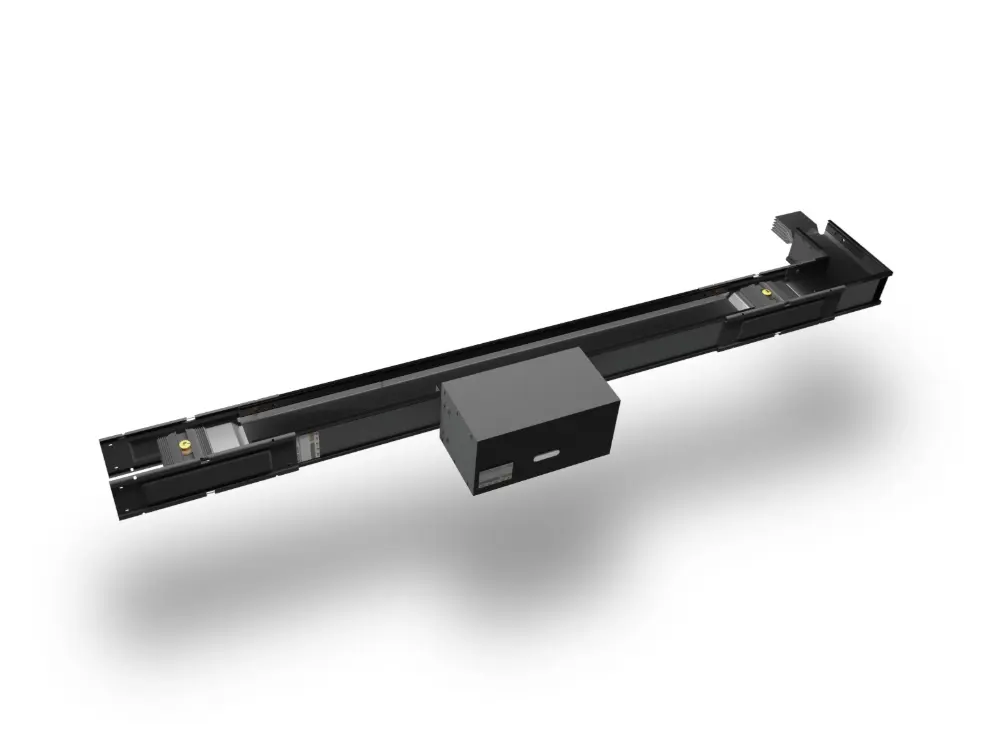
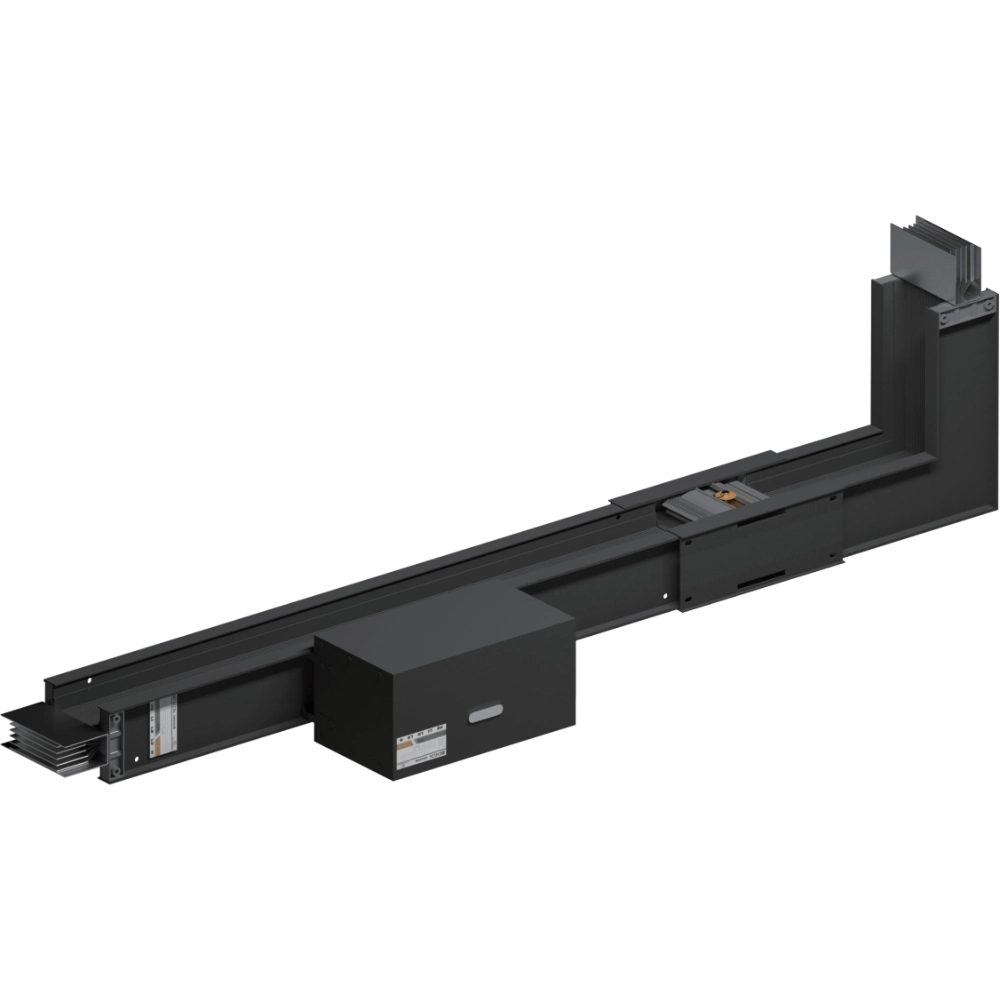
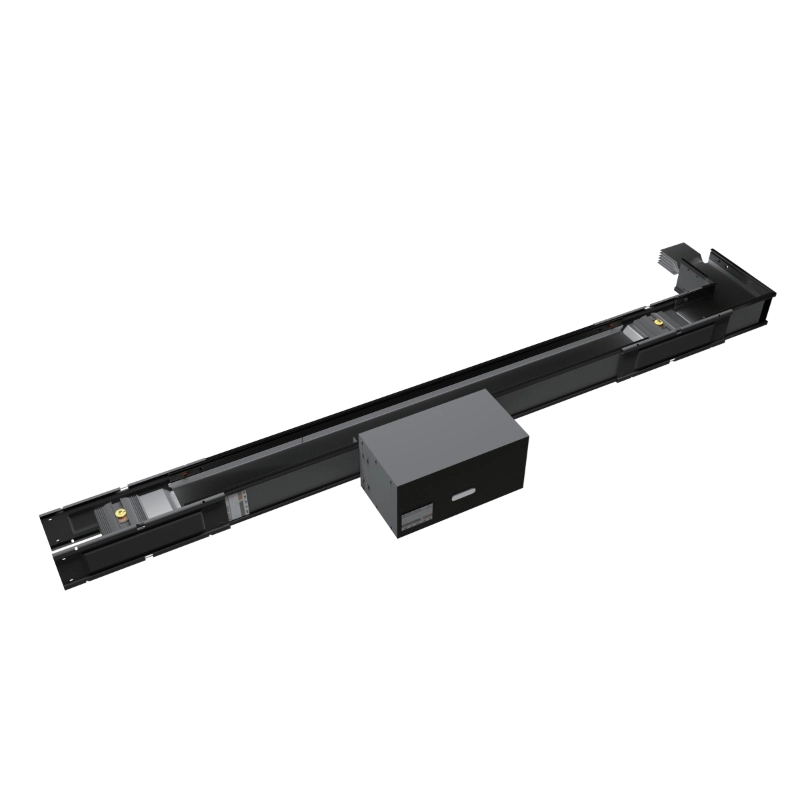
باعتبارها مكونًا أساسيًا في أنظمة نقل الطاقة الحديثة،, قنوات التوزيع (المعروفة أيضًا باسم قنوات التوزيع أو أنظمة قضبان التوزيع) تُستخدم هذه القنوات الكهربائية على نطاق واسع في المصانع والمباني التجارية والأماكن الكبيرة. وهي تنقل الطاقة الكهربائية بكفاءة من مراكز التوزيع إلى مختلف المعدات. وتتميز هذه القنوات ببنيتها المدمجة، وقدرتها العالية على نقل الطاقة، ومعايير السلامة العالية، وسهولة صيانتها.
مع التطور المستمر لقطاع الطاقة، تستمر تقنية خطوط التوزيع الكهربائية في التطور والابتكار. ويتحسن أداؤها باستمرار، ويتسع نطاق استخدامها. لذا، يُعدّ فهم المعرفة ذات الصلة بخطوط التوزيع الكهربائية أمرًا أساسيًا لاختيارها وتطبيقها بالشكل الأمثل.
التركيب الأساسي والوظائف
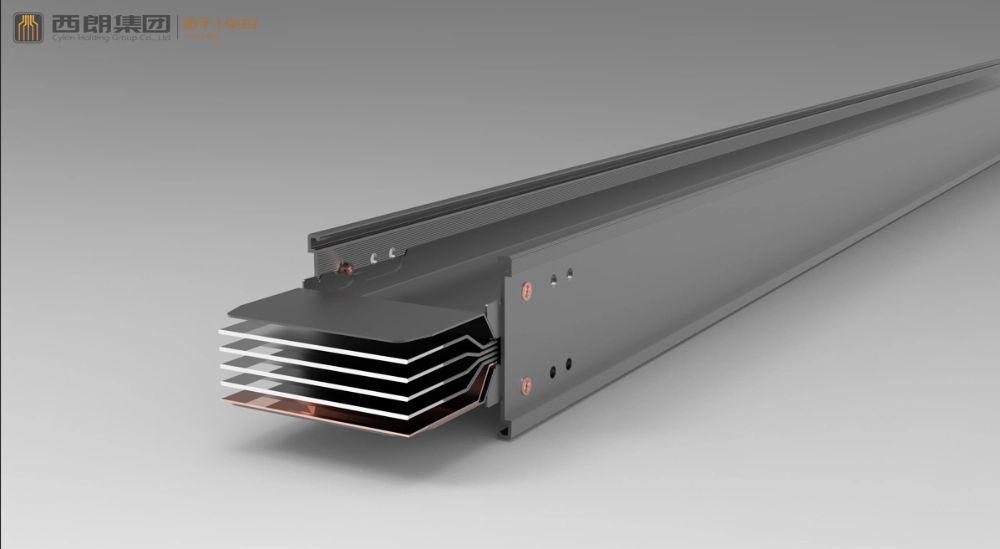
- موصل: يُصنع هذا الجزء عادةً من النحاس أو الألومنيوم، وهو المكون الأساسي لخط نقل الطاقة. وتُحدد مساحة مقطعه العرضي بناءً على متطلبات سعة التيار (الأمبير).
- طبقة عازلة: يلتف هذا الغلاف حول الموصل لتوفير عزل كهربائي، مما يمنع حدوث دوائر قصر بين الموصلات أو بين الموصل والعلبة. تشمل المواد الشائعة راتنج الإيبوكسي والبولي فينيل كلوريد (PVC).
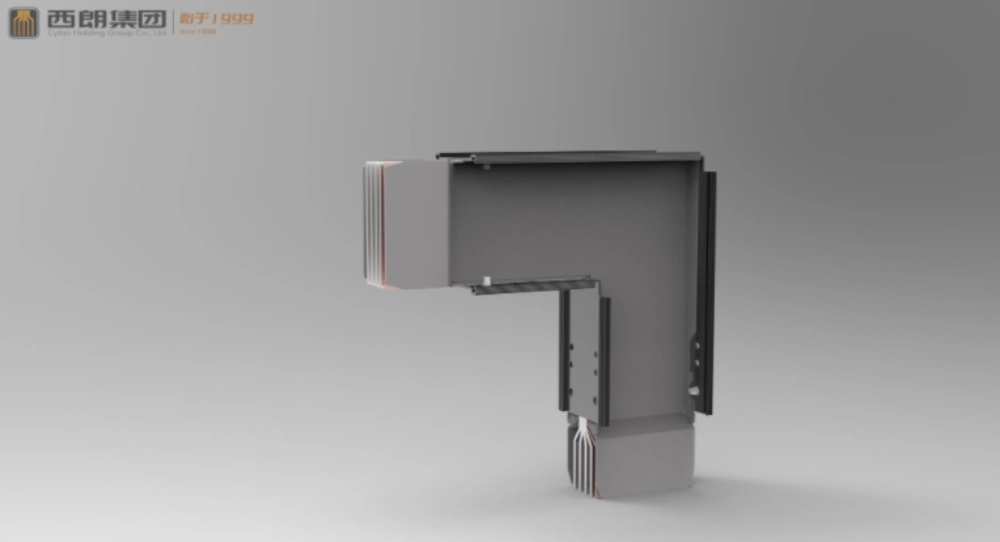
- حاوية (مسكن): يُصنع الغلاف عادةً من مواد معدنية مثل صفائح الفولاذ أو سبائك الألومنيوم، وهو يحمي الموصلات وطبقة العزل. كما أنه يعمل كمشتت للحرارة ويوفر الدعم الميكانيكي.
- أجزاء التوصيل: وتشمل هذه المكونات الموصلات والشفاه والمكونات الأخرى المستخدمة لربط أقسام قضبان التوصيل، مما يضمن استمرارية وموثوقية نقل الطاقة.
الأنواع الرئيسية والسيناريوهات القابلة للتطبيق
- ممر الحافلات المدمج (النوع الكثيف): تُرتّب الموصلات بشكل متقارب (بنية شطيرية)، مما يُؤدي إلى تبديد حراري ممتاز وقدرة عالية على حمل التيار. وهو مناسب للمباني الشاهقة ومراكز التسوق الكبيرة وغيرها من المواقع ذات الأحمال الكهربائية العالية.
- ممر حافلات معزول بالهواء: توجد فجوات هوائية بين الموصلات. ورغم أن أداء العزل جيد وتكلفته منخفضة نسبيًا، إلا أنه أكبر حجمًا. وهو مناسب للمصانع الصناعية العامة والمباني المكتبية، وما إلى ذلك.
- ممر حافلات مقاوم للحريق: بفضل خصائصها المميزة في مقاومة الحريق، يمكن لهذا النوع الحفاظ على التشغيل الطبيعي لفترة معينة أثناء الحريق. وهو مناسب للمستشفيات ومحطات المترو وغيرها من المواقع ذات متطلبات السلامة العالية.
- ممر حافلات مقاوم للماء: بفضل مقاومته الممتازة للماء، يمكن استخدام هذا النوع في البيئات الرطبة أو المناطق المعرضة لتراكم المياه، مثل المرائب تحت الأرض ومحطات معالجة مياه الصرف الصحي.
مزايا المقارنة مقارنةً بالكابلات التقليدية
- قدرة عالية على حمل التيار: يمكن جعل المقطع العرضي للموصل في مسار الحافلات أكبر بكثير، مما يسمح بنقل تيارات أعلى لتلبية احتياجات المعدات الكبيرة.
- تركيب سهل: تعتمد خطوط التوزيع الكهربائية على تصميم معياري. يتضمن تركيبها ببساطة توصيل الأجزاء ببعضها. مقارنةً بتمديد الكابلات، يُعد هذا أسهل وأسرع بكثير، مما يُقلل بشكل ملحوظ من مدة الإنشاء.
- سهولة الصيانة: يتميز هيكل خطوط النقل الكهربائية بالبساطة، مما يسهل اكتشاف الأعطال وإصلاحها. في المقابل، غالباً ما تُدفن الكابلات تحت الأرض أو داخل الجدران، مما يجعل صيانتها صعبة.
- مستوى عالٍ من الأمان: يوفر غلاف مسار الحافلات حماية ممتازة، مما يمنع بشكل فعال حوادث الصدمات الكهربائية. في المقابل، فإن طبقات عزل الكابلات عرضة للتقادم والتلف، مما يشكل مخاطر محتملة على السلامة.
احتياطات التركيب
- فحص ما قبل التثبيت: قبل التركيب، تأكد من أن طراز ومواصفات مسار الحافلات الكهربائية تتوافق مع متطلبات التصميم. تأكد من سلامة المظهر الخارجي واكتمال جميع الملحقات.
- أثناء التثبيت: حافظ على مسار الحافلات في وضع أفقي أو رأسي لتجنب الالتواء أو التشوه. يجب أن تتوافق المسافة بين الأقواس/الدعامات مع اللوائح القياسية لضمان تركيب آمن.
- الروابط: يجب أن تكون الوصلات بين خطوط التوزيع محكمة وموثوقة، وأن تستوفي مقاومة التلامس المتطلبات. بعد التوصيل، ينبغي إجراء اختبار عزل لضمان أداء عزل جيد.
- بعد التثبيت: بعد اكتمال التركيب، نظّف أي شوائب من داخل قناة التوزيع الكهربائي، وتأكد من تركيب جميع المكونات بشكل صحيح. ثم، قم بتشغيل الجهاز تجريبياً للتأكد من أن التشغيل طبيعي.
خاتمة
ممرات الحافلات توفر هذه التقنية مزايا كبيرة في نقل الطاقة، فهي تتميز بتصميمها المدروس، وتنوع أنواعها، وتعدد استخداماتها. وبالمقارنة مع الكابلات التقليدية، فهي أكثر تنافسية من حيث قدرة نقل التيار، وسهولة التركيب والصيانة، والسلامة. ويضمن الالتزام الصارم باحتياطات التركيب تشغيلها السليم. ومع تطور التكنولوجيا، ستلعب هذه التقنية دورًا متزايد الأهمية في أنظمة الطاقة، موفرةً ضمانًا موثوقًا لاستخدام الكهرباء في مختلف المنشآت.