






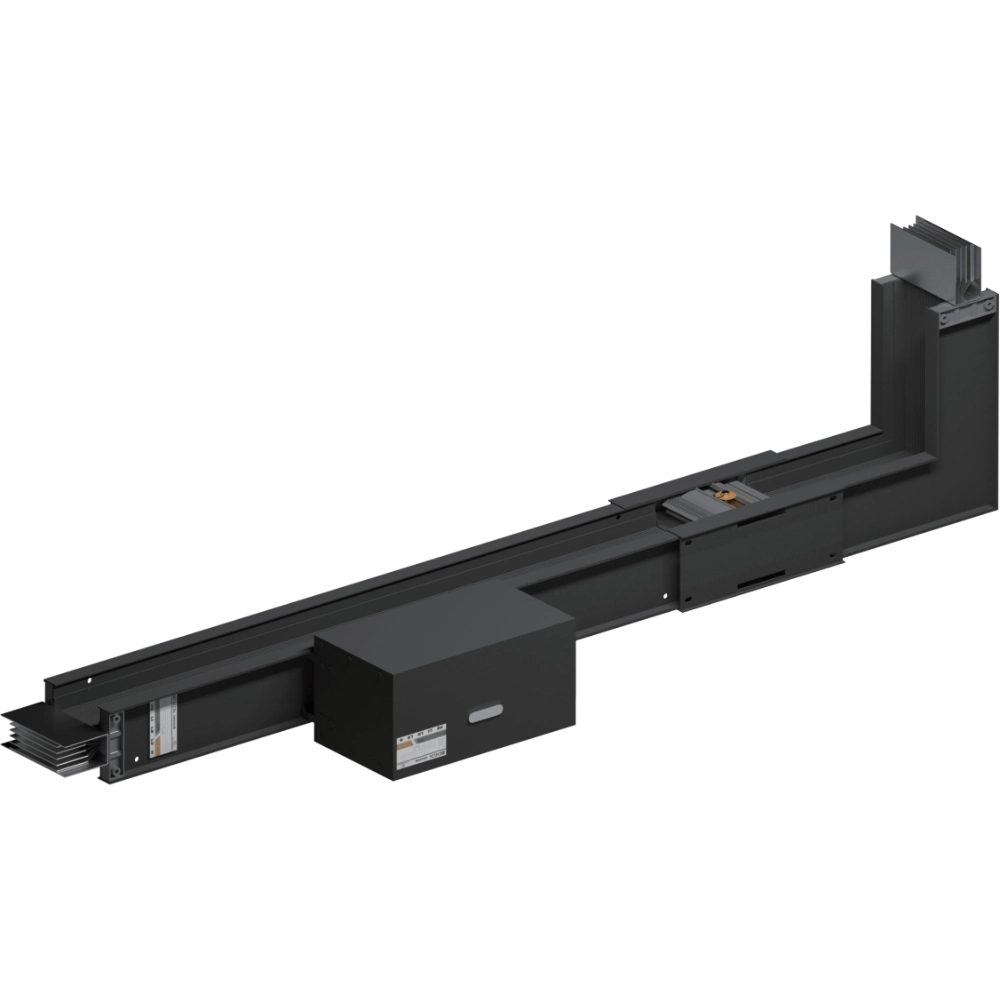
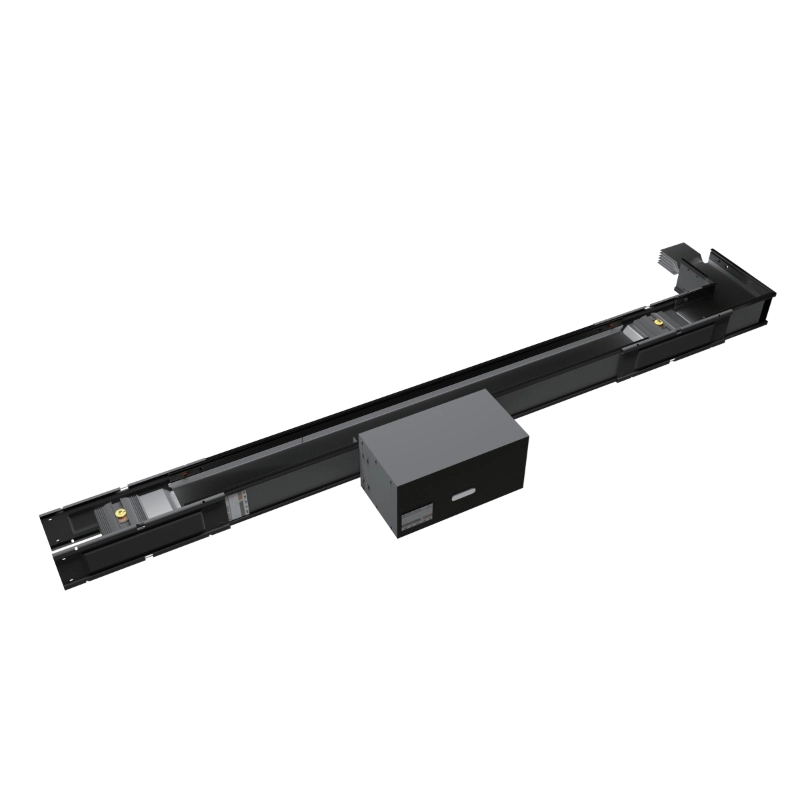


To calculate the right busway size (ampacity), sum the total connected electrical load, apply the appropriate demand factor based on expected simultaneous use, and add a 20-25% safety margin for future expansion. Additionally, you must adjust for ambient temperature derating and calculate voltage drop for long feeder runs.

Step 1: Determine Total Connected Load and Demand Factor
The first step in sizing a busbar trunking system is to aggregate the continuous and non-continuous current requirements of all equipment on the circuit. However, since not all machinery operates at 100% capacity simultaneously, you must apply a demand factor (or diversity factor) as guided by local electrical codes like the NEC or IEC. This crucial calculation prevents unnecessarily oversizing the electrical infrastructure while ensuring it safely handles peak operational loads.
Step 2: Factor in Spare Capacity for Modular Power Distribution
A major advantage of a modular power distribution system is its long-term flexibility. When calculating ampacity, always incorporate a minimum 20% to 25% spare capacity margin into your baseline figures. This buffer accommodates the integration of new heavy machinery or additional plug-in tap-off boxes in the future, ensuring your facility can scale without requiring a complete overhaul of the existing bus duct network.
Step 3: Apply Ambient Temperature Derating Factors
Busway ampacity ratings are standardized at specific ambient temperatures (typically 35°C or 40°C, depending on the manufacturer and testing standards). If your installation environment—such as an unventilated factory ceiling, a foundry, or a tropical outdoor setting—exceeds these baseline temperatures, you must apply an ambient temperature derating factor. This adjustment increases the required conductor size to prevent the copper or aluminum busbars from overheating during continuous operation.
Step 4: Verify Voltage Drop for Long Feeder Busway Runs
For extensive feeder bus duct routes exceeding 50 meters, simply calculating the ampacity is not enough. You must perform a comprehensive voltage drop calculation. Ensure the total voltage drop remains within acceptable industry limits (usually under 3% to 5% at the furthest tap-off point). If the voltage drops too significantly over the long run, you will need to upsize the busway to a higher current rating (e.g., upgrading from 1600A to 2000A) to maintain stable and efficient power transmission to your end devices.