






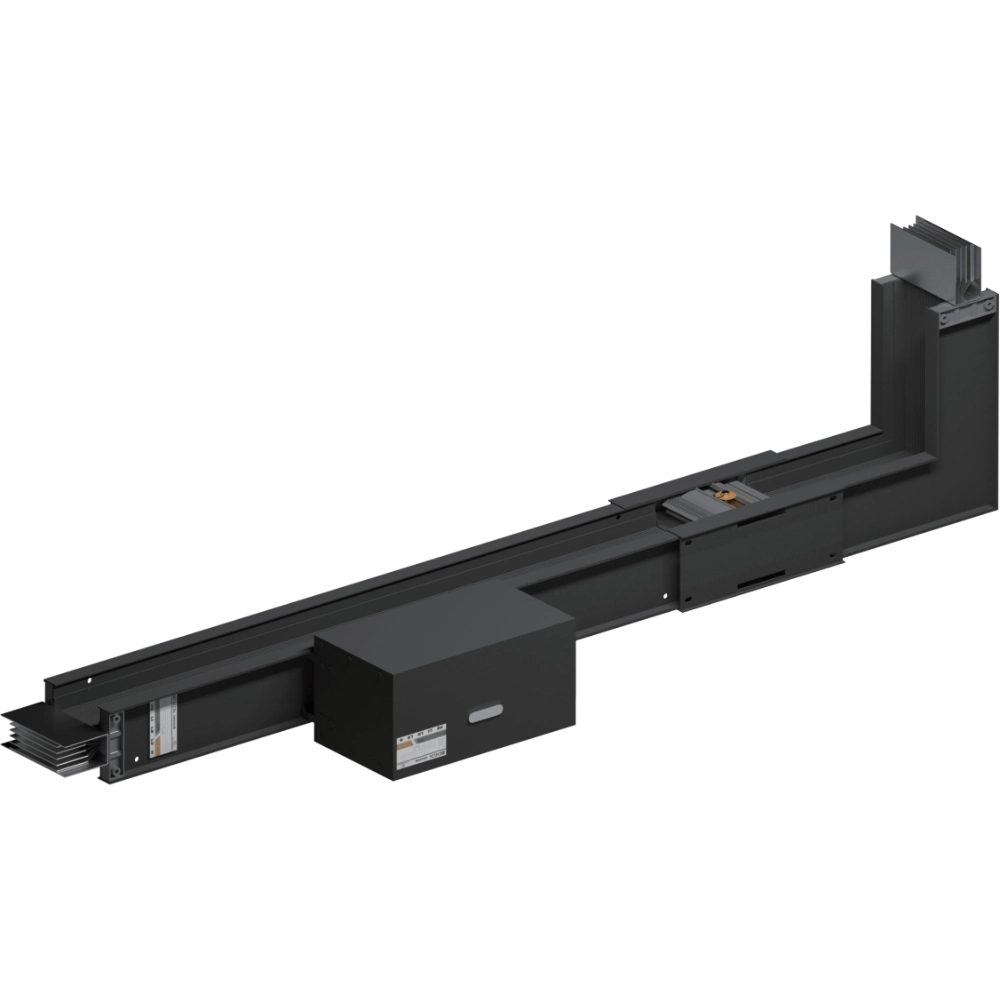
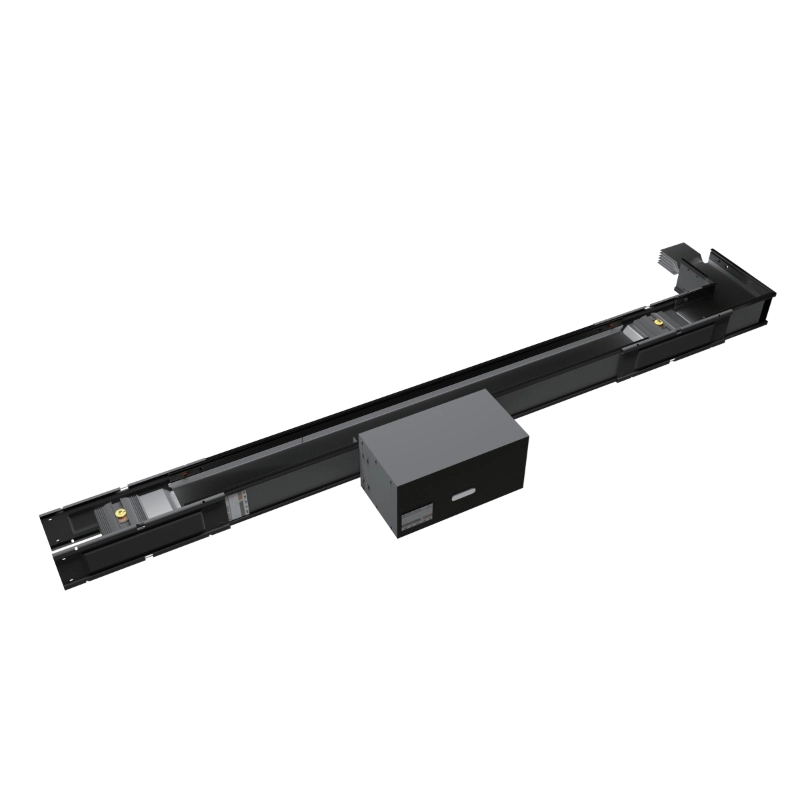


To properly seal a busway penetrating a fire-rated wall, you must install a factory-supplied fire barrier flange kit and pack the annular space (the gap between the busway housing and the wall opening) with a UL-classified intumescent firestop sealant or mineral wool. The entire firestopping assembly must maintain or exceed the original fire-resistance rating of the wall (e.g., 2 hours) to ensure strict building code compliance.
Preventing the “Chimney Effect” and Meeting Building Codes
Whenever an electrical trunking system passes through a fire-rated floor or wall, it compromises the building’s natural fire compartmentalization. If the penetration is left unsealed or improperly patched, the gap around the busway can create a dangerous “chimney effect,” allowing toxic smoke, hot gases, and flames to rapidly draw into adjacent rooms. Strict compliance with life safety standards and building codes (such as NFPA 70/NEC) dictates that these penetrations must be meticulously sealed to restore the structure’s structural fire endurance.
Internal Fire Blocks vs. External Firestop Assemblies
Effective busway firestopping actually involves two critical zones of protection:
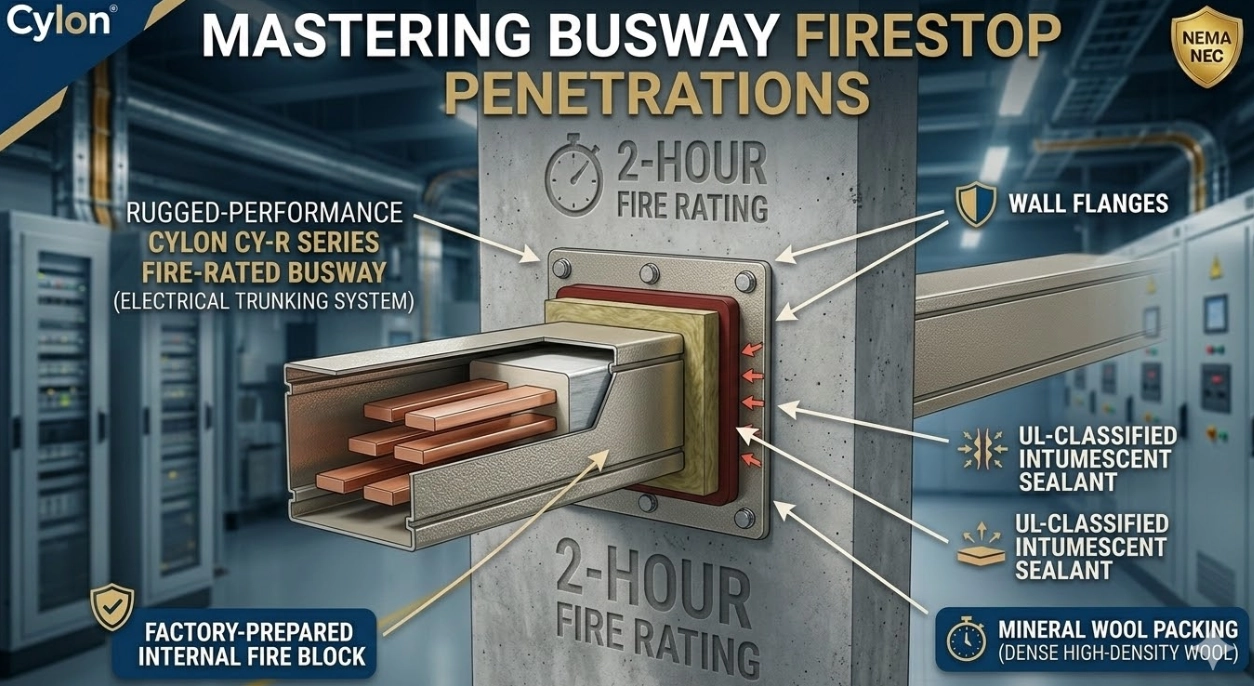
- Internal Protection: The busway must prevent fire from traveling inside its own metal enclosure. Premium compact systems (like the Cylon CY-R Fire-Rated Busway) feature tightly compressed conductors with factory-integrated internal fire blocks (often using intumescent materials) positioned exactly where the unit passes through the wall.
- External Protection: The external annular space—the physical gap between the busway’s outer casing and the concrete or drywall—must be sealed by the on-site contractor using approved fire-resistant materials.
Step-by-Step Installation of Firestop Sealant and Wall Flanges
The standard installation procedure for sealing the external gap requires precision. First, the contractor packs the void tightly with a backing material, typically high-density mineral wool, to a specified depth. Next, an intumescent firestop sealant or fire-rated putty is applied generously over the mineral wool.
In the event of a fire, this intumescent material expands dramatically when exposed to high heat, completely choking off the opening. Finally, metal flange plates (wall flanges) are secured around the busway on both sides of the wall to protect the sealant, reinforce the penetration, and provide a clean, professional finish.