

How Does a High-Voltage Sealed Busway Improve Power Transmission Safety?
Release time: 2026-09-04
Table of Contents
High-voltage power distribution places greater demands on insulation, protection, and overall system reliability. When electrical equipment operates at higher voltage levels, the distribution system needs to remain stable not only under normal conditions but also when exposed to dust, moisture, temperature changes, and other environmental factors.
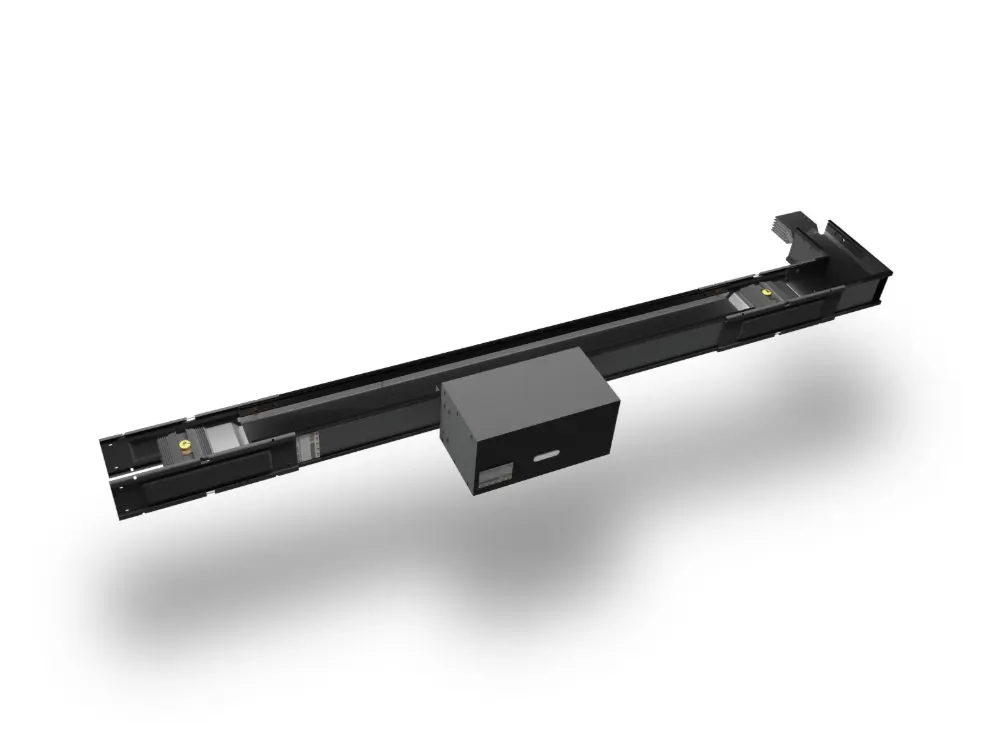
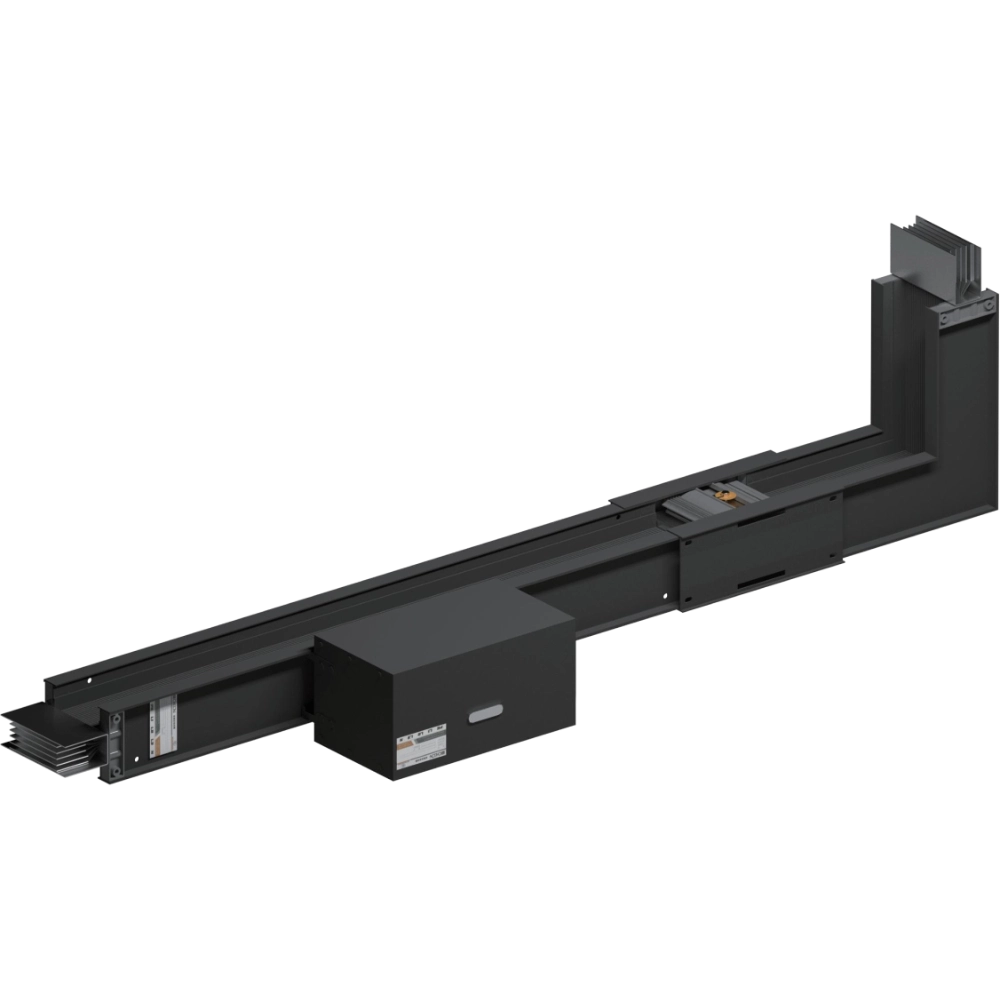
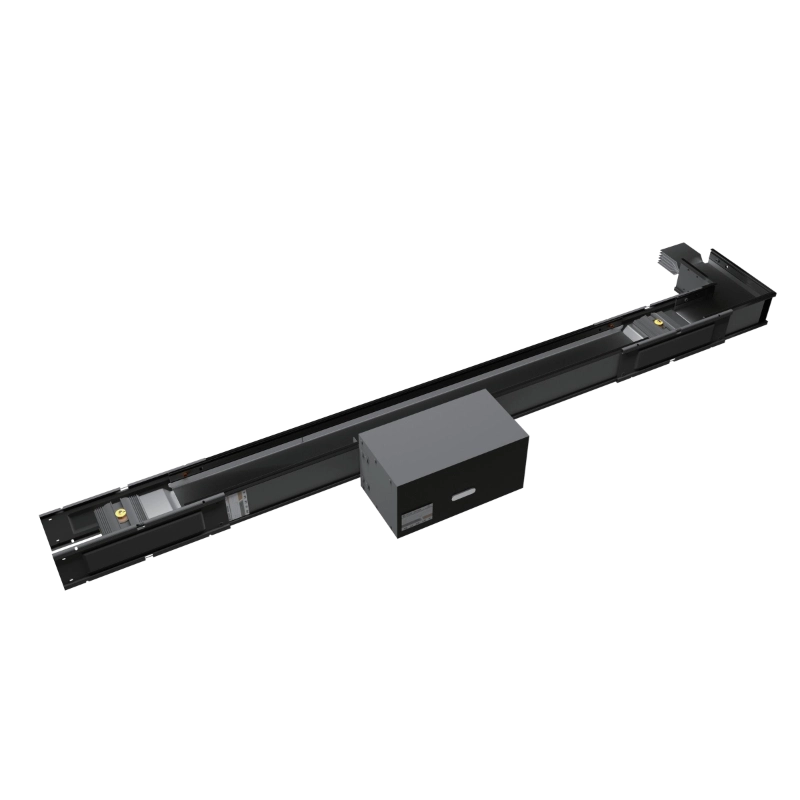
This is where the CY-H high-voltage sealed busway becomes relevant. Designed for high-voltage power distribution, this busway uses a sealed structure to provide additional protection for internal conductors and insulation. The design is particularly relevant to industrial facilities and other projects where dust, moisture, and demanding operating conditions need to be taken into account.


Rather than treating sealing as an additional feature, the system incorporates protection into the overall busway structure. This approach can be useful when the electrical distribution route needs to remain protected while carrying high-voltage power over a relatively long operating period.
Why Is Safety More Important in High-Voltage Power Distribution?
The consequences of an electrical problem can become more serious as voltage levels increase. Insulation performance, conductor protection, installation quality, and environmental conditions all need to be considered together.
A high-voltage distribution system may have to operate in environments where it is exposed to:
- Dust and airborne particles
- Moisture and humidity
- Temperature fluctuations
- Mechanical interference
- Long operating periods
- Difficult maintenance conditions
These factors can affect the condition of electrical insulation and connections over time.
For this reason, selecting a high-voltage busway is not simply a matter of choosing the required current rating. The construction of the busway and the protection it provides should also be considered.
How Does a High-Voltage Sealed Busway Improve Power Transmission Safety?
The main advantage comes from reducing the direct exposure of electrical conductors and insulation to the surrounding environment.
The CY-H high-voltage sealed busway is designed around this principle. Its enclosed construction helps separate the internal electrical components from external conditions, making it a practical option for high-voltage distribution where environmental protection is an important consideration.
1. The Sealed Structure Provides Additional Protection
In a conventional open or less-enclosed arrangement, electrical components may have greater exposure to dust, moisture, and other external conditions.
A sealed busway system uses an enclosed structure to separate the internal electrical components from the surrounding environment.
For industrial facilities, this can be useful because production environments may contain airborne particles, humidity, or other factors that are difficult to control completely.
The enclosure does not replace proper insulation or installation practices, but it adds another level of physical protection to the power transmission system.
2. It Helps Limit the Impact of Dust and Moisture
Dust and moisture are common concerns in many industrial environments.
Accumulated dust can affect electrical equipment over time, while moisture can create additional challenges for insulation and electrical connections. Keeping these external factors away from the internal conductors can therefore contribute to more stable operating conditions.
For projects where dust or humidity cannot be fully controlled, a sealed busway structure can be an important consideration during system selection.
3. It Supports More Stable Insulation Conditions
Insulation is one of the most important parts of a high-voltage electrical system.
Temperature, humidity, contamination, and long-term operating conditions can all affect insulation performance. A well-designed enclosure helps limit direct exposure to some of these external influences.
This is why a high-voltage busway system should be evaluated not only by its electrical capacity, but also by its construction and suitability for the intended installation environment.
4. It Reduces Direct Exposure of Conductors
High-voltage conductors require appropriate protection throughout the distribution route.
An enclosed busway keeps the conductors inside a protective housing instead of leaving them directly exposed. This can reduce the possibility of accidental contact or external interference during normal operation and maintenance.
For installations where electrical equipment is located close to other facility systems, the additional physical protection provided by an enclosed structure can also be useful.
5. It Can Make Long-Term Maintenance More Predictable
Maintenance requirements vary between installations, but environmental exposure is an important factor in long-term equipment condition.
When conductors and electrical components are better protected from external contamination, maintenance personnel may have fewer environmental factors to deal with during routine inspections.
This does not mean that a sealed busway is maintenance-free. Regular inspection and testing are still necessary. The benefit is that the busway structure can reduce some of the exposure that may contribute to electrical deterioration.
What Makes Sealing Important for High-Voltage Busway Systems?
Sealing is not simply an additional feature added to the outside of a busway. It affects how the internal electrical components interact with their surroundings.
The following areas are particularly relevant:
| Factor | Potential Concern | Role of a Sealed Structure |
| Dust | Contamination of electrical components | Limits direct exposure |
| Moisture | Possible impact on insulation and connections | Provides environmental separation |
| Humidity | Long-term insulation concerns | Helps reduce external exposure |
| Mechanical Contact | Possible physical interference | Provides physical protection |
| Maintenance Environment | Difficult access or harsh conditions | Creates a more enclosed transmission route |
| Long-Term Operation | Progressive environmental exposure | Supports more consistent operating conditions |
The actual level of protection depends on the product design and installation. Buyers should therefore review the technical specifications and applicable protection ratings rather than assuming that every sealed busway provides the same level of protection.
Where Can High-Voltage Sealed Busway Systems Be Used?
A sealed high-voltage busway is particularly relevant to projects where power needs to be transmitted reliably through demanding environments.
Industrial Plants
Manufacturing facilities often contain large electrical loads and equipment that operates for extended periods. Dust, heat, vibration, and other environmental factors may also be present.
For these projects, the CY-H high-voltage sealed busway can be considered where high-voltage distribution needs to operate with additional protection from the surrounding environment.
Power-Intensive Facilities
Facilities with substantial electrical loads need distribution equipment capable of handling their operating requirements over long periods. The combination of electrical capacity and physical protection becomes particularly important in these applications.
Large Infrastructure Projects
Large infrastructure installations may have long power distribution routes and multiple electrical areas. A protected busway structure can provide a consistent transmission path while reducing direct exposure to the surrounding environment.
Facilities with Challenging Environmental Conditions
Where humidity, dust, or other contaminants are difficult to control, a sealed busway can form part of the overall electrical protection strategy.
The appropriate system should still be selected according to the actual site conditions, voltage requirements, load, and installation layout.
What Should Buyers Consider When Selecting a High-Voltage Busway?
The sealed construction is important, but it should not be the only selection criterion.
1. Voltage and Current Requirements
Start with the actual electrical requirements of the project. The busway needs to be suitable for the system voltage and expected load, including potential future increases.
2. Environmental Conditions
Consider the conditions where the busway will be installed.
Questions worth asking include:
- Is the installation area dusty?
- Is humidity relatively high?
- Are there significant temperature changes?
- Is the busway installed indoors or outdoors?
- Are there potential sources of mechanical interference?
These factors can influence the required protection level and system configuration.
3. Insulation Performance
High-voltage applications place greater emphasis on insulation. Buyers should review the insulation structure, rated performance, and relevant technical specifications before making a selection.
4. Installation Layout
The physical layout of the electrical distribution route also matters. Available space, connection points, support structures, and installation conditions should all be considered during system planning.
5. Future Capacity
A facility’s electrical demand may increase over time. Selecting a busway based only on the current load can create limitations when additional equipment is installed later.
High-Voltage Sealed Busway vs. Conventional Busway
A conventional busway may be sufficient for installations with relatively controlled environmental conditions. However, projects facing higher levels of dust, humidity, or other external exposure may place greater value on an enclosed structure.
| Consideration | Conventional Busway | High-Voltage Sealed Busway |
| Power Transmission | ✓ | ✓ |
| High-Voltage Applications | Depends on design | Designed for high-voltage applications |
| Conductor Enclosure | Depends on design | Sealed/enclosed construction |
| Dust Protection | Depends on enclosure | Greater protection through sealed structure |
| Moisture Protection | Depends on design | Designed to reduce environmental exposure |
| Environmental Adaptability | Depends on system | Suitable for demanding environments when properly specified |
| Maintenance | Requires regular inspection | Requires regular inspection |
| Application Focus | General power distribution | High-voltage and demanding distribution applications |
The better option depends on the project. A sealed design is not automatically necessary for every installation, but it becomes more relevant as environmental exposure and high-voltage requirements increase.
How Can a Sealed Busway Support Long-Term Reliability?
Reliability is influenced by many factors, including electrical loading, installation quality, insulation, temperature, maintenance, and environmental conditions.
A sealed structure addresses one part of this equation: environmental exposure.
By keeping the conductors within a protected housing, the system can reduce direct contact with dust, moisture, and other external contaminants. This can help maintain more stable conditions around the electrical components during long-term operation.
For the CY-H system, the sealed construction is therefore relevant not only to initial protection but also to the way the busway is expected to perform in demanding operating environments.
However, reliable operation still depends on selecting the correct specifications, following installation requirements, and carrying out regular inspections.
FAQ
1. What is a high-voltage sealed busway?
A high-voltage sealed busway is a power distribution system designed for high-voltage applications with an enclosed structure that protects internal conductors from direct exposure to the surrounding environment.
2. Why is a sealed structure useful for high-voltage power distribution?
It can reduce direct exposure to dust, moisture, humidity, and physical interference. This additional protection can be valuable in demanding industrial and infrastructure environments.
3. Is a sealed busway maintenance-free?
No. A sealed structure can reduce environmental exposure, but regular inspection, testing, and maintenance are still required to ensure safe operation.
4. Where are high-voltage sealed busways commonly used?
They can be considered for industrial plants, power-intensive facilities, infrastructure projects, and other installations where high-voltage distribution must operate in demanding environmental conditions.
5. What should I check before buying a high-voltage sealed busway?
Important factors include rated voltage, current capacity, insulation performance, environmental conditions, installation layout, protection requirements, and future expansion needs.
Choosing the Right Protection for High-Voltage Power Distribution
For high-voltage electrical systems, reliable power transmission depends on more than conductor capacity alone. The way the conductors are protected from their surroundings can also affect long-term operating conditions.
A high-voltage sealed busway provides an enclosed transmission route that helps limit exposure to dust, moisture, humidity, and physical interference. This makes the sealed structure particularly relevant for industrial facilities and other projects where environmental conditions place additional demands on electrical distribution equipment.
The CY-H high-voltage sealed busway is designed for projects that require high-voltage power distribution together with a protected busway structure. When evaluating this type of system, buyers should consider not only electrical specifications but also installation conditions, insulation performance, environmental exposure, and future capacity requirements.