




How Does an Intelligent Busway System Improve Power Monitoring?
Release time: 2026-09-02
Table of Contents
As electrical loads become more demanding, simply delivering power is no longer the only concern for many facilities. Data centers, factories, commercial buildings, and other large facilities also need a clearer picture of how their electrical distribution systems are operating.
This is where an intelligent busway system can offer an advantage. In addition to distributing power, an intelligent busway can collect operating data such as current, power consumption, temperature, humidity, and leakage current. Instead of relying entirely on routine inspections, facility teams can use this information to keep track of changing conditions during normal operation.


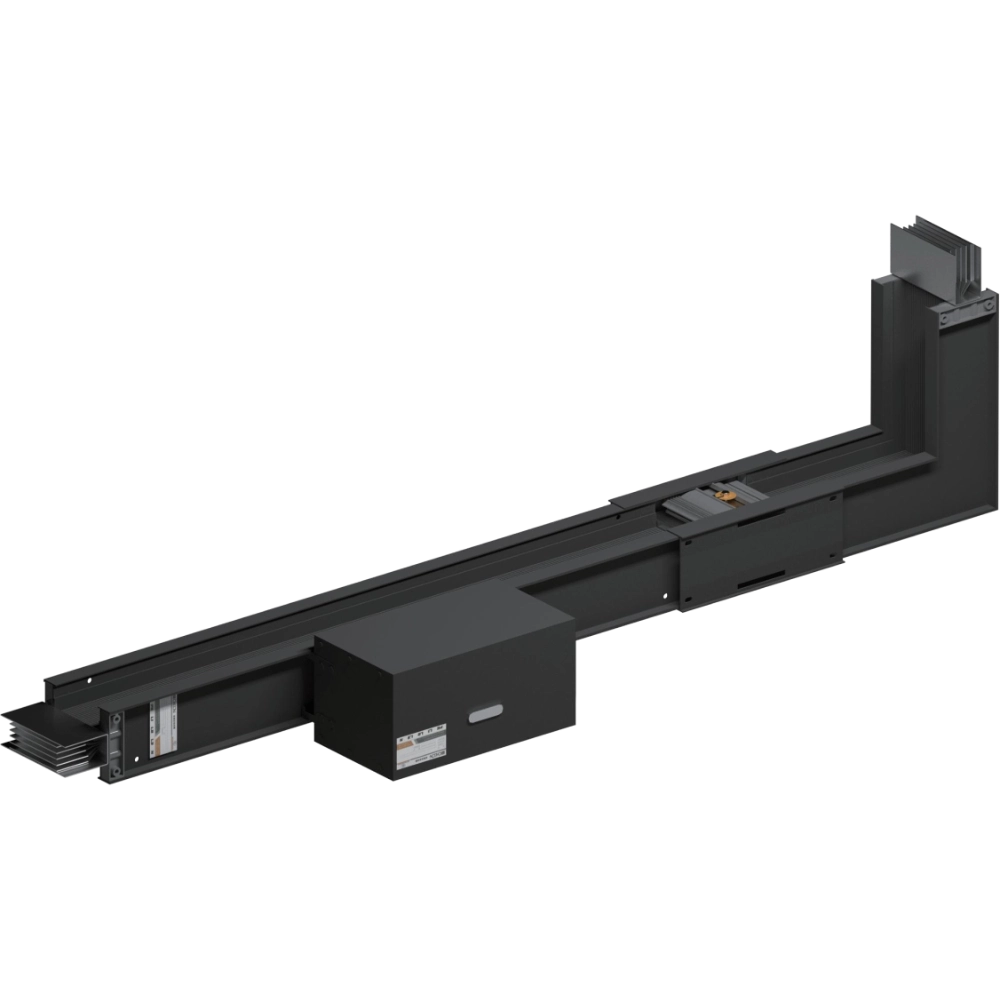
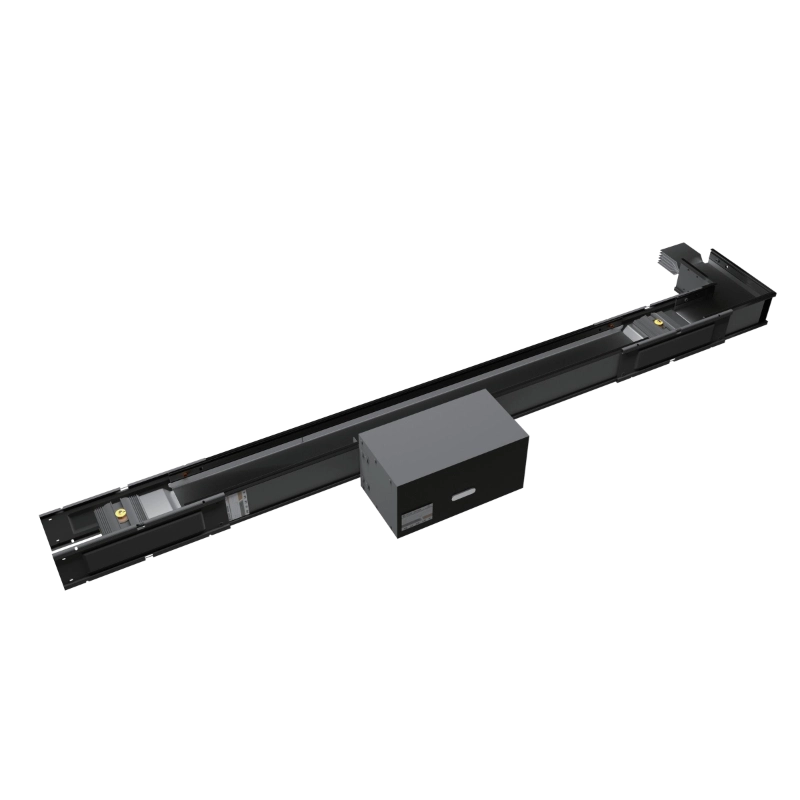
The CY-S Intelligent Busway System combines power distribution with monitoring functions designed for this purpose. It can be configured for different electrical requirements and supports communication functions for projects that need to connect busway data with a wider monitoring or management system.
Why Does Power Monitoring Matter?
Electrical problems rarely appear without any change in operating conditions. A rising load, unusual temperature, or leakage current may appear before a more serious fault develops.
Without continuous monitoring, these changes can easily go unnoticed between scheduled inspections.
For a large facility, this can create several challenges:
- Power consumption may change significantly as equipment is added or removed.
- Individual areas may have very different electrical loads.
- Abnormal temperature increases may be difficult to identify early.
- Leakage current may not be noticed until it becomes a more serious concern.
- Maintenance teams may spend considerable time locating the source of an electrical problem.
Power monitoring does not eliminate these risks, but it gives facility managers more information to work with.
How Does an Intelligent Busway System Improve Power Monitoring?
The main difference is that monitoring becomes part of the power distribution system rather than being treated as a completely separate task.
1. It Provides a More Complete View of Electrical Loads
An intelligent busway can monitor electrical parameters while the system is operating. Current, voltage, and power consumption are among the key data points that can be tracked according to the system configuration.
This is useful when electrical demand changes throughout the day. Instead of looking only at a periodic reading, operators can compare operating conditions over time and identify unusual changes in load.
For facilities with multiple distribution sections, this level of visibility can also make it easier to understand where power is being used.
2. It Makes Energy Consumption Easier to Track
Total electricity consumption tells only part of the story.
For a large building or industrial facility, knowing which distribution areas are carrying higher loads can be just as important. More detailed monitoring data can help facility managers review energy use, identify areas with high demand, and make better decisions when planning future capacity.
This is one reason a smart busway system can be useful in facilities where energy management is becoming a regular part of daily operations.
3. It Adds Temperature and Humidity Monitoring
Electrical equipment does not operate independently of its surroundings. Temperature and humidity can affect operating conditions, particularly in enclosed or demanding environments.
Temperature monitoring can draw attention to an unusual rise before it develops into a larger maintenance issue. Humidity monitoring is also useful where moisture could affect electrical components or connections.
Rather than waiting for an inspection to reveal a change, maintenance personnel can review operating data and decide whether further investigation is necessary.
4. It Helps Monitor Leakage Current
Leakage current is another parameter worth watching in electrical distribution systems.
With leakage current monitoring, an abnormal reading can be identified earlier, giving maintenance personnel an opportunity to check the relevant section of the system.
This does not replace electrical testing or safety procedures. Its value is in providing another source of information between routine inspections.
5. It Can Make Troubleshooting More Targeted
Finding an electrical fault can be time-consuming when there is little information about what happened before the problem occurred.
Monitoring data can provide useful clues.
For example, if one section of a busway shows an unusual current increase or temperature change, that section can be checked first. Maintenance personnel do not have to start by inspecting every part of the distribution system.
For large installations, even a small improvement in troubleshooting efficiency can make a noticeable difference to maintenance work.
What Should an Intelligent Busway System Monitor?
The right monitoring configuration depends on the facility. A data center may have different priorities from a manufacturing plant or commercial building.
The following parameters are commonly worth considering:
| Monitoring Parameter | What It Tells You | Typical Value |
| Current | The electrical load being carried | Helps track load changes |
| Voltage | The operating voltage condition | Supports electrical performance checks |
| Power Consumption | How much power is being used | Useful for energy management |
| Temperature | Thermal conditions around the system | Helps identify abnormal temperature increases |
| Humidity | Environmental conditions | Useful in moisture-sensitive environments |
| Leakage Current | Possible abnormal current leakage | Supports electrical safety monitoring |
| Fire-Related Conditions | Possible signs of a fire-related issue | Adds another layer of protection |
| Communication Data | Collected operating information | Supports connection with monitoring systems |
The goal should not be to monitor everything simply because it is technically possible. The better approach is to select parameters that are relevant to the facility’s operating conditions.
How Can Real-Time Monitoring Change Maintenance?
Traditional maintenance relies heavily on scheduled inspections. These inspections remain important, but they provide only a snapshot of the equipment’s condition at a particular point in time.
Continuous monitoring fills some of that gap.
A typical process may look like this:
Normal operation → Data collection → Abnormal change detected → Inspection → Corrective action
For example, if the temperature in one section gradually increases, the maintenance team can investigate the cause before the condition becomes more serious.
This approach can also help maintenance teams prioritize their work. Instead of treating every section of a busway in exactly the same way, they can pay closer attention to areas where the operating data shows a noticeable change.
Where Is an Intelligent Busway System Most Useful?
The benefits are particularly relevant to facilities where electrical loads are high, variable, or difficult to monitor manually.
Data Centers
Data centers have demanding power requirements and limited tolerance for unexpected interruptions. Monitoring current, power consumption, temperature, and other operating conditions can give facility teams a clearer view of the electrical distribution system.
Manufacturing Plants
Production equipment can cause significant changes in electrical demand. Monitoring load conditions can help operators understand these changes and investigate unusual readings.
Commercial Buildings
Large commercial buildings often have multiple floors, electrical zones, tenants, and equipment groups. More detailed power data can support energy management and day-to-day facility operations.
Facilities with High Electrical Density
When many electrical loads are concentrated in a relatively small area, monitoring becomes more useful. Temperature, current, and leakage current data can provide additional information for maintenance planning.
Intelligent Busway vs. Conventional Busway Monitoring
The difference is not simply about whether the system can distribute electricity. Both conventional and intelligent busways are designed for power distribution.
The key difference is how much information is available during operation.
| Feature | Conventional Busway | Intelligent Busway |
| Power Distribution | ✓ | ✓ |
| Real-Time Electrical Monitoring | Limited or requires additional equipment | Available |
| Power Consumption Monitoring | May require separate equipment | Available according to configuration |
| Temperature Monitoring | Usually separate | Can be integrated |
| Leakage Current Monitoring | Usually separate | Can be integrated |
| Energy Management Data | Limited | More detailed |
| Maintenance Support | Mainly based on inspections | Supported by operating data |
| Communication Functions | Depends on system | Available for configured systems |
For projects where basic power distribution is sufficient, a conventional busway may meet the requirement. Where operators also need continuous operating information, an intelligent system becomes more attractive.
What Should Buyers Check Before Choosing an Intelligent Busway System?
The monitoring features are important, but they are not the only things to consider.
1. Rated Voltage and Current
The system needs to match the facility’s present load as well as its expected future demand. Choosing the appropriate current rating at the beginning can avoid unnecessary modifications later.
2. Required Monitoring Parameters
Start with the actual operating requirements. If the main concern is energy consumption, power monitoring may be the priority. If electrical safety is more important, leakage current and temperature monitoring may deserve greater attention.
3. Communication Requirements
Monitoring data is more useful when it can be incorporated into the facility’s existing management system. Buyers should therefore check what communication functions are available and whether they fit the project’s monitoring architecture.
4. Installation Conditions
The installation environment should also be considered. Temperature, humidity, available installation space, electrical load, and other site conditions can affect the appropriate system configuration.
5. Future Expansion
Electrical demand can change as a facility grows. It is worth considering future equipment additions and capacity requirements rather than selecting a system based only on today’s load.
FAQ
1. What is the main benefit of an intelligent busway system?
The main benefit is the combination of power distribution and operating-data monitoring. Facility teams can obtain more information about electrical loads and system conditions without treating monitoring as a completely separate function.
2. What parameters can an intelligent busway monitor?
Depending on the configuration, monitoring can include current, voltage, power consumption, temperature, humidity, leakage current, and other operating conditions.
3. Can an intelligent busway help with preventive maintenance?
Yes. Monitoring data can reveal changes in operating conditions that deserve attention. Maintenance personnel can then investigate these areas before they develop into more serious problems.
4. Is an intelligent busway suitable for data centers?
Yes, particularly where operators need better visibility into power consumption and electrical operating conditions. The specific configuration should be selected according to the data center’s load and monitoring requirements.
5. Does intelligent monitoring replace regular inspections?
No. Monitoring should be used alongside regular inspection, testing, and maintenance. It provides additional operating information rather than replacing established electrical safety procedures.
Bringing Power Distribution and Monitoring Together
For large electrical systems, knowing that power is being delivered is only part of the job. Facility teams also need to know how the system is performing under actual operating conditions.
An intelligent busbar trunking system brings these two functions closer together. By monitoring electrical loads, power consumption, temperature, humidity, and leakage current, it gives operators more information to work with when managing energy use and maintaining electrical infrastructure.
The CY-S Intelligent Busway System is designed for projects that need this combination of power distribution and monitoring. For facilities with changing loads, demanding operating conditions, or a growing need for data-based maintenance, integrating monitoring into the busway can be a practical step toward better day-to-day electrical management.
