






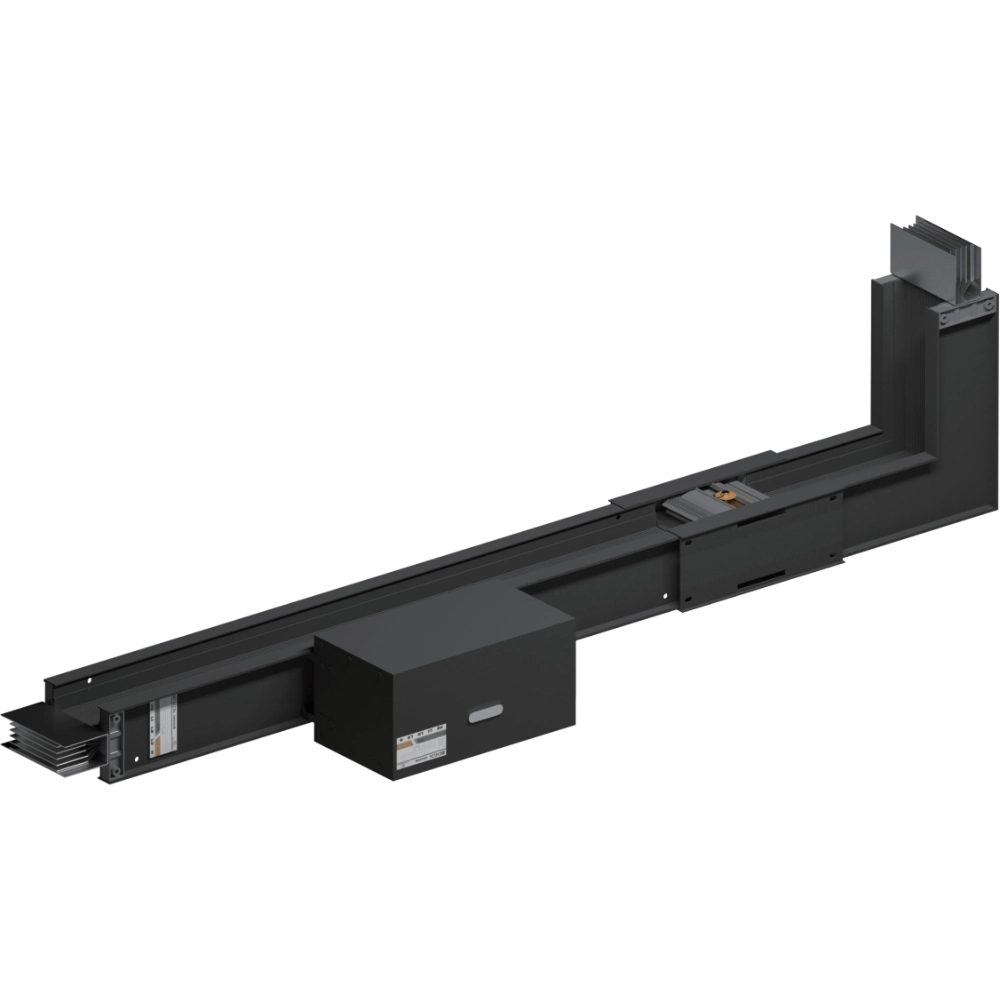
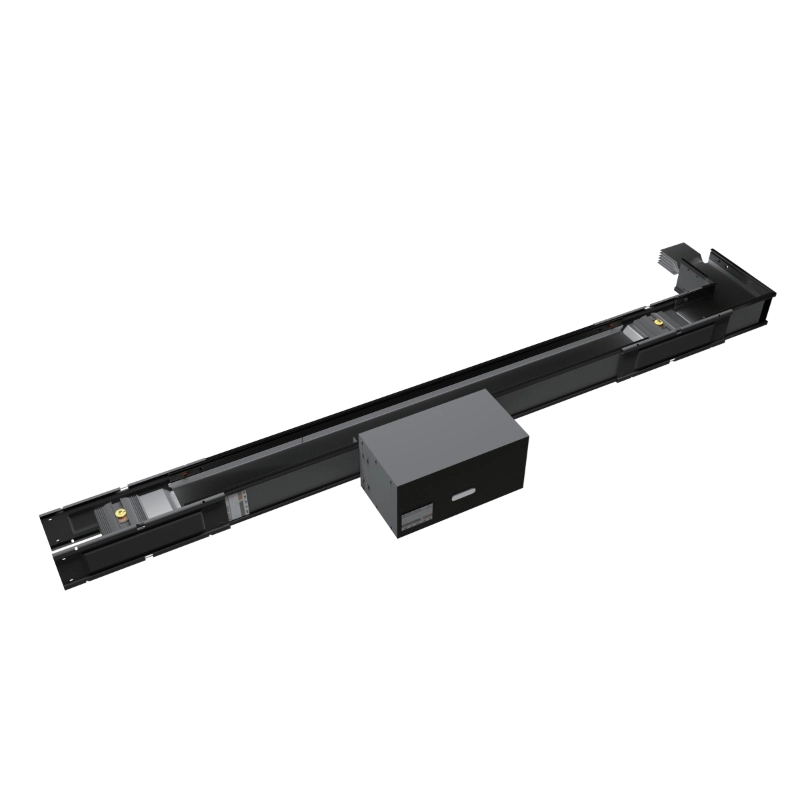


Yes, functionally and technically, a bus duct and a busway refer to the exact same prefabricated electrical distribution system used to transmit heavy electrical currents. The distinction between the two terms is purely semantic, driven by regional industry habits, historical naming conventions, and specific manufacturer preferences.
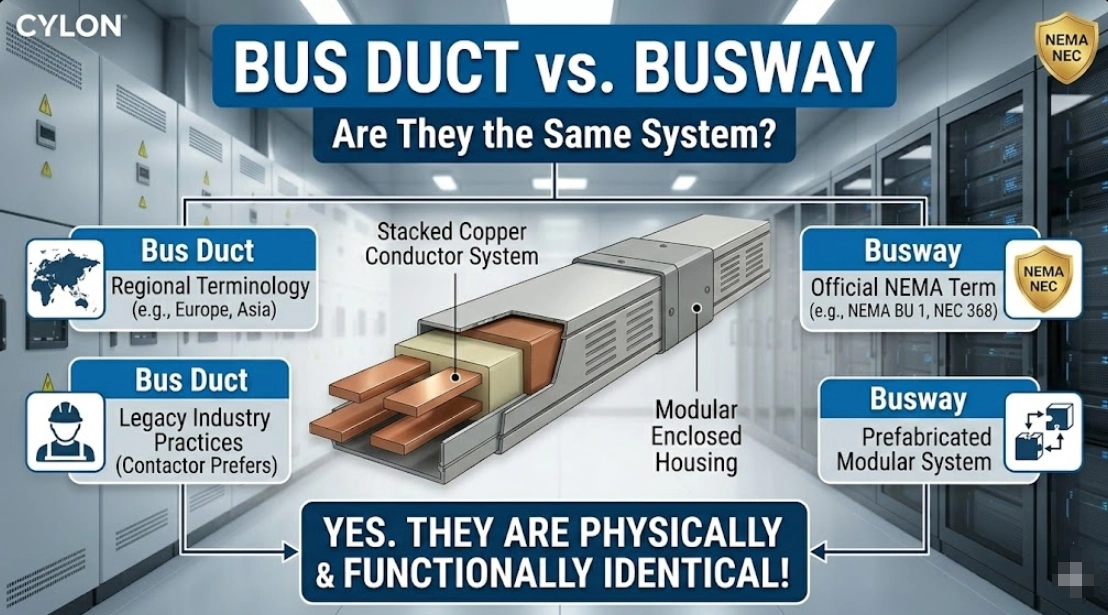
Shared Core Function in Electrical Power Distribution
At their core, both terms describe a modular, prefabricated system that houses raw conductors (copper or aluminum busbars) within a protective metallic enclosure. Whether an engineer specifies a busway or a bus duct, the physical product remains the same: a highly efficient alternative to traditional cabling designed for the safe transmission of power across commercial buildings, data centers, and industrial manufacturing plants.
Regional Terminology and NEMA Standard Variations
The preference for one term over the other often depends on geographic location and the governing electrical codes. In North America, the National Electrical Manufacturers Association (NEMA) and the National Electrical Code (NEC) officially use the term “busway” in their standard publications (such as NEMA BU 1). Conversely, “bus duct” is a deeply entrenched legacy term that is still widely favored by contractors in parts of Europe, the Middle East, and Asia to describe the exact same enclosed busbar systems.
Minor Industry Nuances: Plug-in vs. Feeder Systems
While the terms are entirely interchangeable today, some veteran electrical engineers historically applied a slight nuance based on the application. “Bus duct” was sometimes used specifically to describe solid, point-to-point power transmission lines (feeder systems) without any external connection points. Meanwhile, “busway” was often used to describe plug-in systems that allow for easy power tapping along the run. Today, however, modern manufacturers seamlessly use both terms to cover their entire catalog of intensive, air-insulated, and fire-resistant power routing products.