







Шина типа «сэндвич» против шины с воздушной изоляцией
Release time: 2026-02-25
Оглавление
In the design of power distribution systems for modern commercial buildings, data centers, and industrial facilities, the Busbar Trunking System (BTS) has become the preferred alternative to traditional cabling. However, when selecting specific busway types, electrical engineers often face a critical decision: Sandwich Busway or Air-Insulated Busway?
This article provides an in-depth comparison across physical structure, electrical performance, and space utilization to help guide your choice.
Fundamental Differences in Structure and Design
Air-Insulated Busway
This traditional design features significant air gaps between internal copper or aluminum bars, relying on air as the primary insulating medium. Consequently, these systems are bulky and require a high degree of environmental cleanliness to prevent dust accumulation and arcing.
Sandwich Busway (Compact Busway)
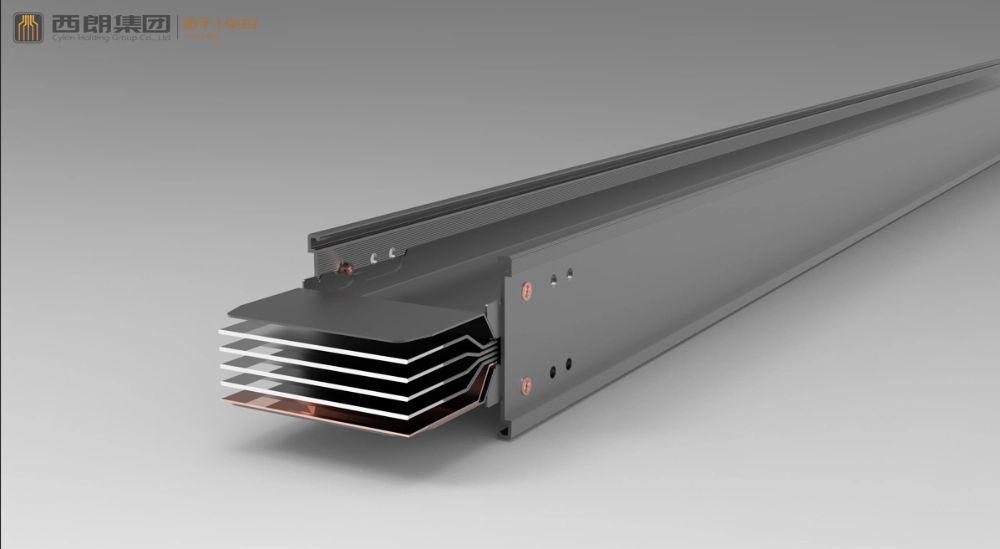
In contrast, the Sandwich Busway (often called Compact Busway) features conductive bars that are tightly packed together. They are physically isolated only by extremely thin, high-strength Class B or Class F insulating materials (such as polyester film or epoxy resin). The entire conductive system is compressed within a metal enclosure, forming a seamless, “sandwich-style” structure.
Core Performance Comparison: Why is Sandwich Becoming Mainstream?
Space Efficiency
In urban complexes and high-density data centers where real estate is at a premium, duct and shaft space is invaluable. By eliminating internal air gaps, the Sandwich Busway typically occupies only 50% to 60% of the volume of an Air-Insulated Busway. This Compact Design makes routing significantly easier in narrow vertical shafts and complex cable tray intersections.
Heat Dissipation
There is a common misconception that air-insulated models cool better due to internal airflow. In reality, air is a poor conductor of heat. Sandwich Busways utilize their tightly fitted metal housing (usually extruded aluminum alloy) for direct thermal Conduction. This method dissipates heat far more efficiently than air convection, effectively controlling temperature rise even under high current loads.
Voltage Drop & Impedance
Because the distance between phases in a sandwich structure is compressed to the absolute minimum, the Reactance is extremely low. This means that during long-distance, high-current transmission, the Voltage Drop of a Sandwich Busway is significantly lower than that of an Air-Insulated system. This drastically reduces power loss across the line and improves the overall energy efficiency ratio (PUE) of the distribution network.
Mechanical Strength & Short-Circuit Capability
When a short-circuit fault occurs, massive electro-dynamic forces are generated between busbars. The compact, extruded structure of the Sandwich Busway provides superior dynamic thermal stability, allowing it to withstand high short-circuit currents without deformation.
Заключение
For modern electrical projects prioritizing high energy efficiency, safety, and space maximization, the Автобусная линия Сэндвич is clearly the superior engineering choice.
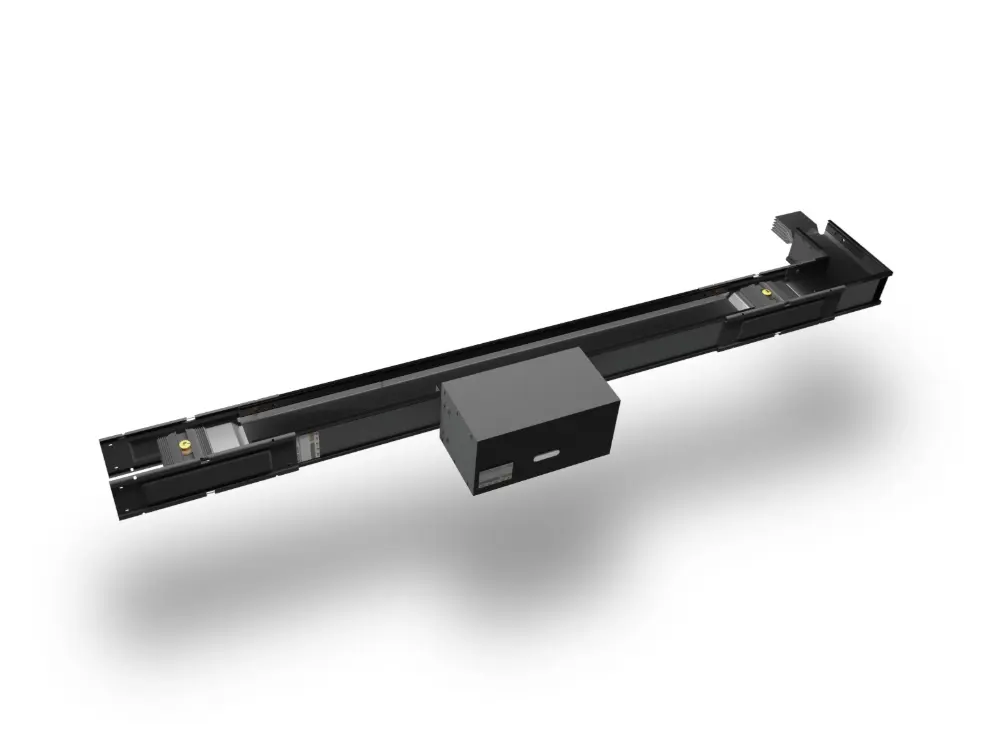
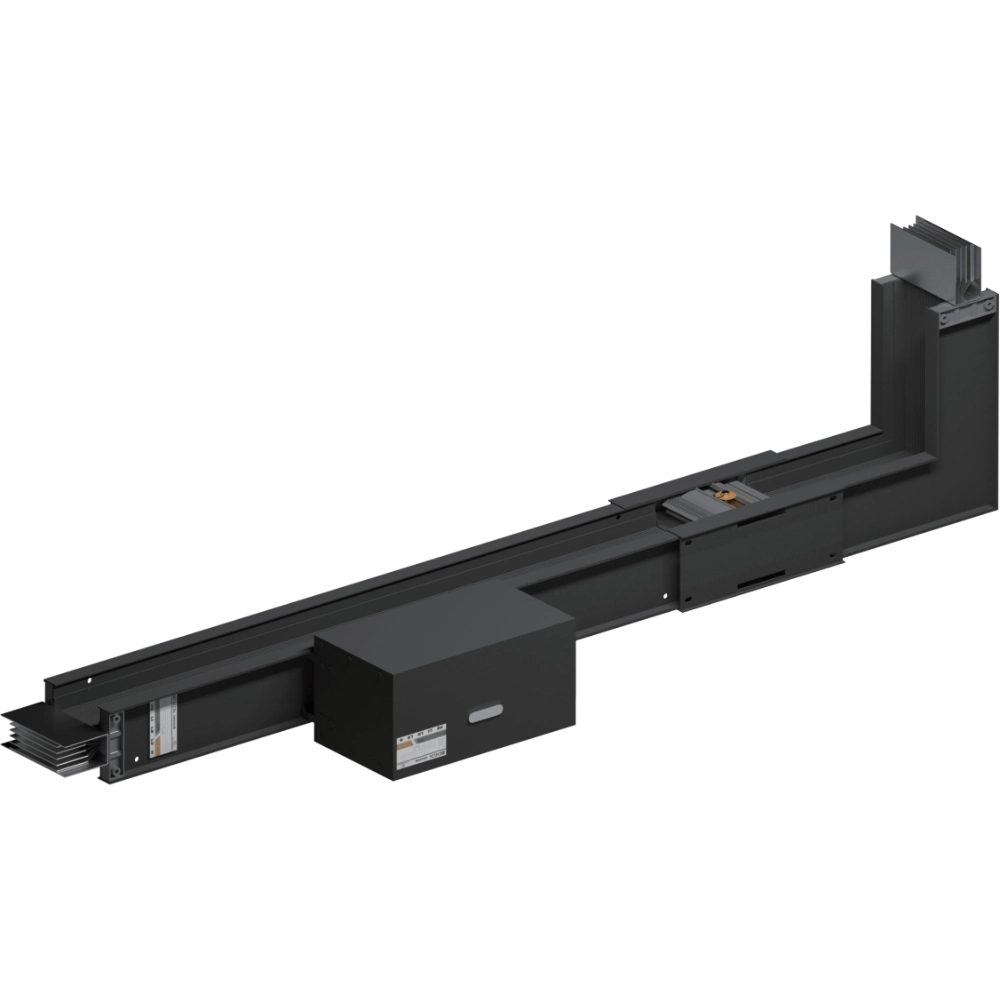
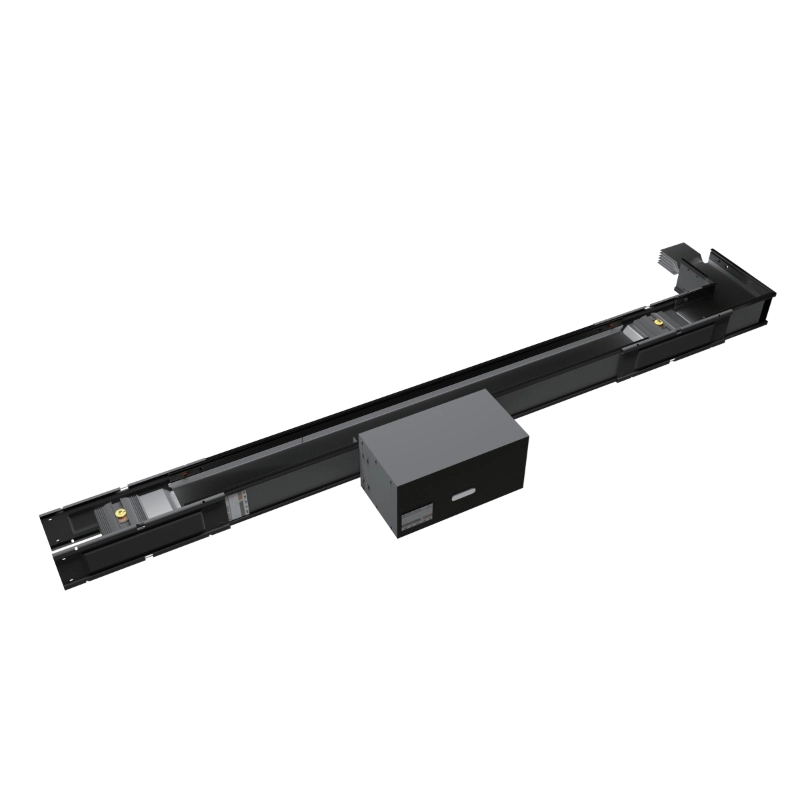
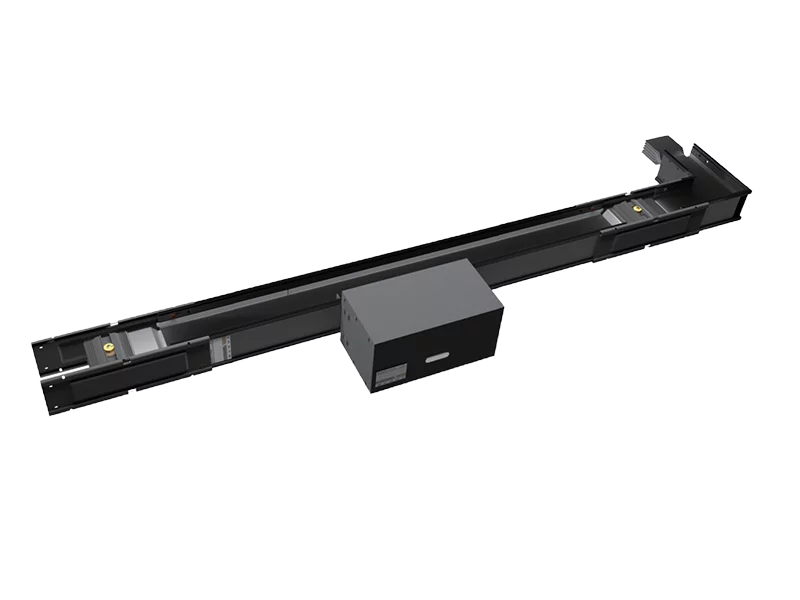
As a globally leading busway manufacturer, Cylon Busway specializes in top-tier power distribution solutions. Our proprietary CY-L Series Sandwich Busway utilizes high-purity conductors and advanced insulation technology, making it perfectly suited for various demanding engineering environments.

Часто задаваемые вопросы
Is the IP Rating (Ingress Protection) of Sandwich Busway higher than Air-Insulated?
Yes. Since Sandwich Busways have no internal air channels, they can easily achieve a fully enclosed design. Protection ratings typically reach IP54 or even IP66+, offering effective protection against dust and water. Air-insulated types are typically limited to around IP40.
Which busway is more prone to the “Chimney Effect”?
Air-Insulated Busways act as vertical channels, creating a “Chimney Effect” that can accelerate the spread of fire and smoke during an incident. The Sandwich Busway, being a solid, dense structure, naturally blocks airflow, offering superior fire retardancy and fire-stop performance.
How should I choose if the budget is limited?
While the initial equipment cost of Air-Insulated Busways may be slightly lower, Sandwich Busways offer overwhelming advantages in installation costs (smaller volume, easier handling), operational costs (lower voltage drop saves energy), and maintenance costs. Consequently, the Sandwich type provides a much higher long-term Return on Investment (ROI).