







Почему инженеры выбирают системы шинопроводов с низким импедансом
Release time: 2026-03-03
Оглавление
In the electrical engineering specifications (Specs) for large commercial buildings, heavy industrial plants, and hyperscale data centers, it is common to see electrical engineers explicitly require a “Low Impedance Busbar Trunking System.”
Why has “low impedance” become a critical engineering metric for measuring the quality of a high-end power transmission system? This article will provide an in-depth analysis from an electrical engineering perspective to explain the fundamental reasons why engineers favor low-impedance systems.
What is a Low Impedance Busbar Trunking System?
In alternating current (AC) power distribution systems, the total impedance (Z) of a circuit is determined by both resistance (R) and reactance (X).
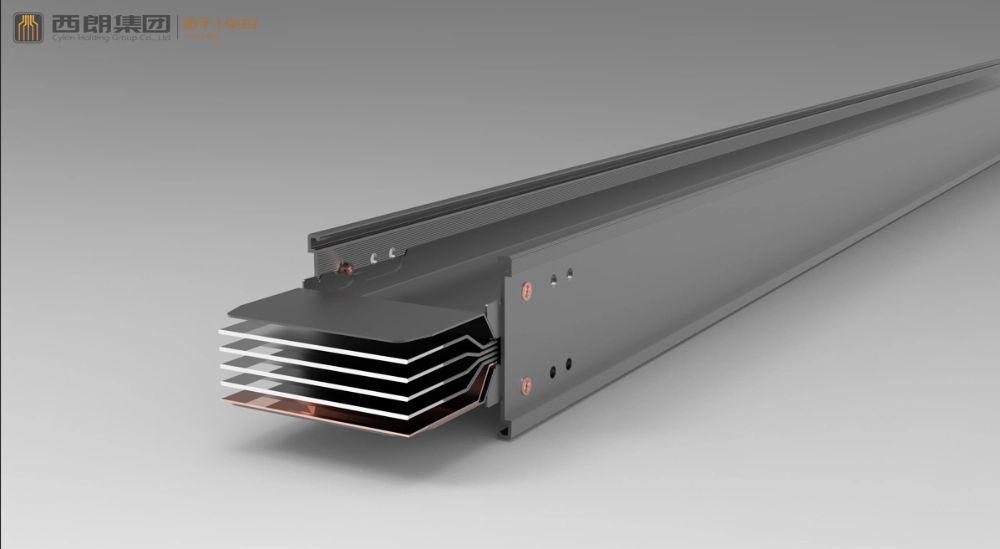
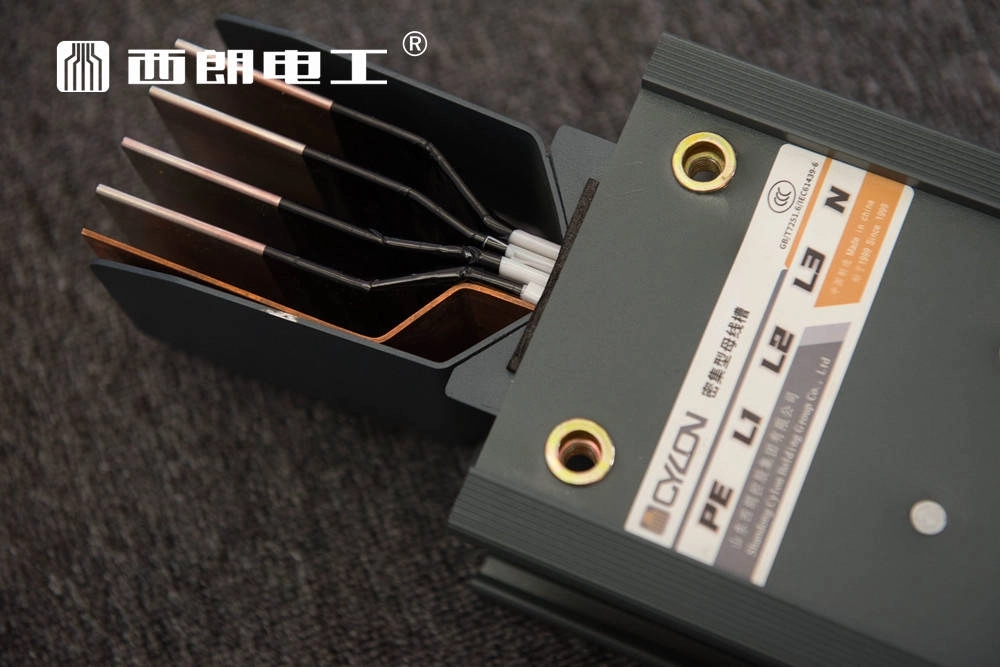
In traditional air-insulated busways, the considerable distance between conductive bars results in an electromagnetic field distribution that causes high reactance. Conversely, a low impedance busway (typically utilizing a closely coupled compact/sandwich structure) compresses the distance between live conductors to the millimeter level. This allows the electromagnetic fields generated by adjacent conductors to cancel each other out, thereby minimizing the circuit’s reactance.
Four Reasons Engineers Choose Low Impedance Systems
Minimized Voltage Drop
In large factories or super high-rise buildings spanning hundreds of meters, long cable runs often lead to insufficient voltage at the terminal equipment. According to Ohm’s law and AC characteristics, the lower the circuit impedance, the smaller the voltage drop. Low impedance busways ensure that expensive and sensitive equipment (such as large motors and server racks) receive a stable and sufficient voltage, whether at the beginning or the end of the line.
High Energy Efficiency and Reduced Line Loss
Electrical energy lost along the line is ultimately converted into waste heat (I^2R and I^2X losses). Extremely low impedance means less electrical energy is wasted during transmission. Over a lifecycle spanning decades, the electricity savings generated by a low impedance system often far exceed the initial investment in the equipment itself.
High Short-Circuit Withstand Capacity
In the event of an unforeseen grid short circuit, the massive instantaneous current generates extreme repulsive forces. The signature “tightly compressed” structure of a low impedance busway provides it with exceptionally high mechanical strength. The phase conductors support each other, easily withstanding the impact of massive peak short-circuit currents and ensuring the electrical safety of the entire building.
Reduced Skin and Proximity Effects
An excellent low impedance busway design ensures a more uniform current distribution within the conductors. This effectively overcomes the skin effect and proximity effect commonly found in traditional large-cross-section cables or standard busbars, allowing the ampacity of the conductive bars to be utilized at 100%.
Building Your Low Impedance Power Distribution Backbone
Modern electrical design leaves no room for compromise. To truly achieve low-impedance, high-reliability power transmission, choosing a supplier with core manufacturing expertise is crucial.
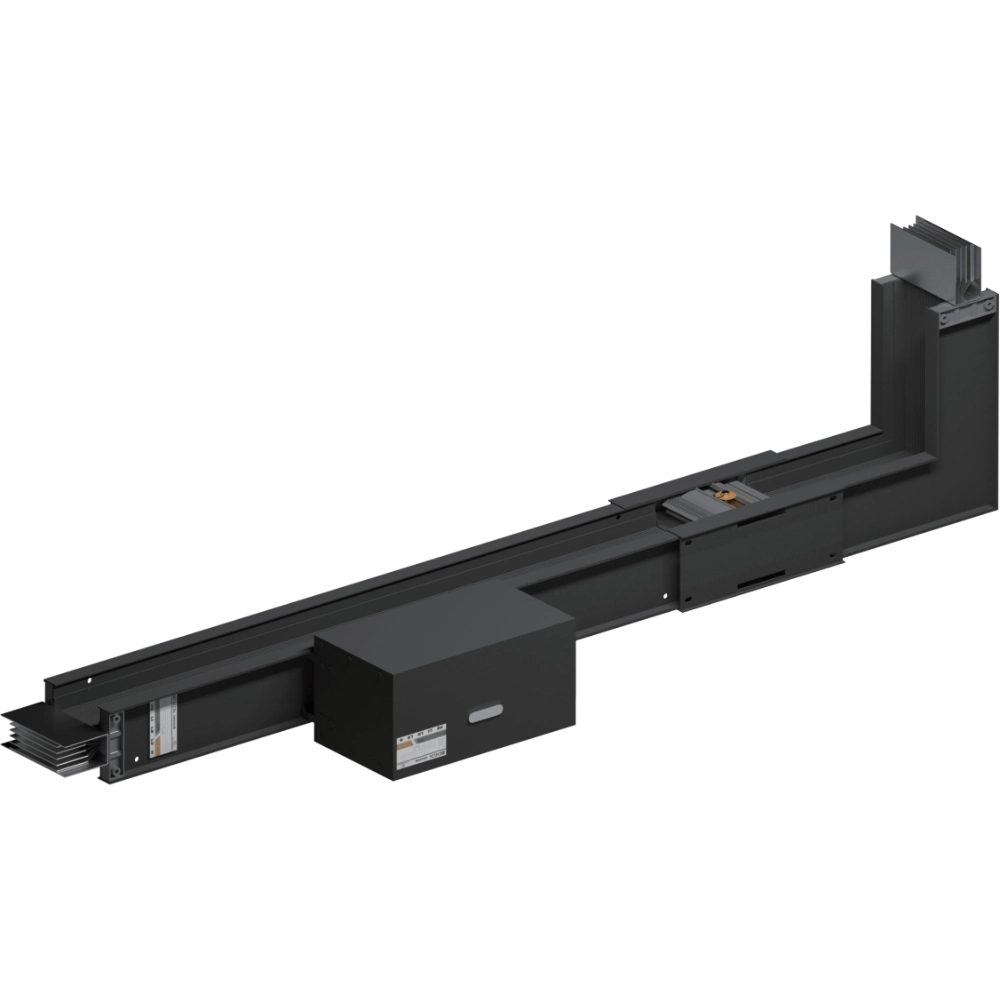
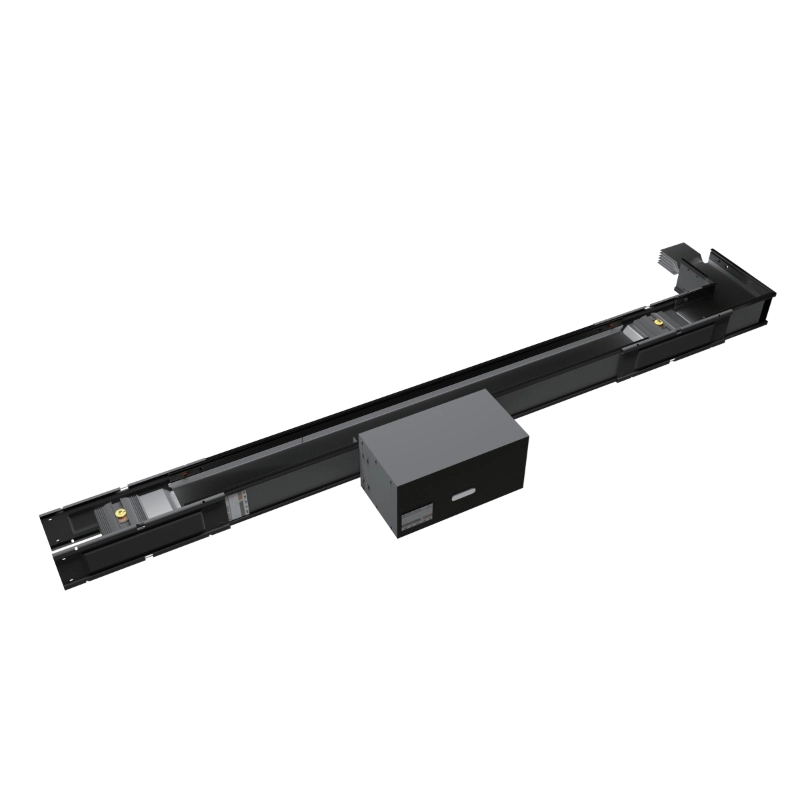
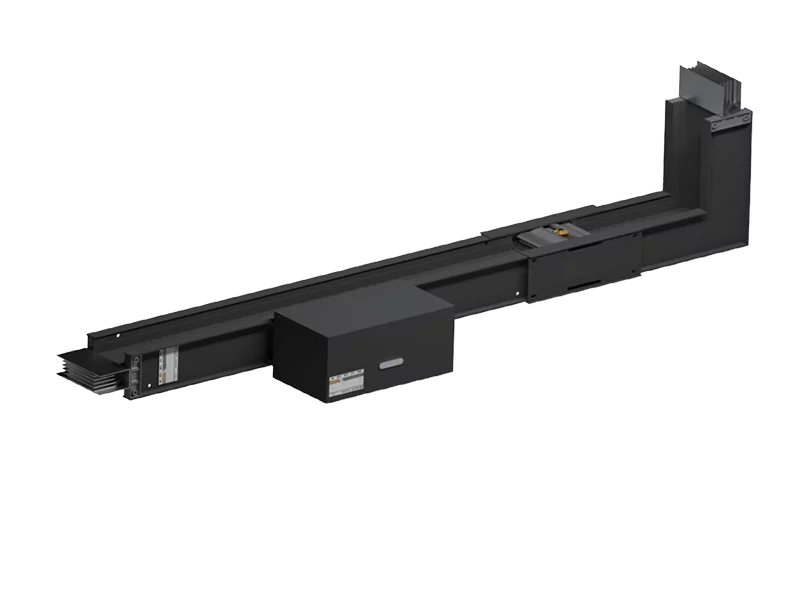
Cylon Busway is committed to providing top-tier low impedance power transmission solutions to global customers. Our CY-L Series Dense Busway System is purpose-built for extremely low impedance and high energy efficiency transmission.

Часто задаваемые вопросы
Are Low Impedance Busways and Dense Busways the same product?
In most engineering contexts, yes. It is precisely the physical characteristics of the “dense/sandwich” structure (tightly packed conductors) that create its outstanding “low impedance” electrical performance. “Low impedance” describes the performance, while “dense” describes the physical structure.
How can I verify the impedance parameters of a busway?
Professional manufacturers (like Cylon) provide detailed parameter tables for resistance (R), reactance (X), and impedance (Z) per meter in their product catalogs and technical specifications. These data are typically certified through type tests conducted by independent third-party laboratories (such as KEMA, ASTA, or UL).
Is there a difference in low impedance performance between copper and aluminum bars?
Copper has better electrical conductivity than aluminum, so for the same cross-sectional area, a copper system has lower resistivity. However, by increasing the cross-sectional area of the aluminum bars and using the same tightly packed structure, an aluminum dense busway can achieve equally low impedance while offering unique advantages in weight and cost control. Engineers can make their selection based on the specific budget and load-bearing constraints of the project.