










What Factors Influence the Heat Dissipation Performance of High-Voltage Sealed Busway?
Release time: 2026-10-15
Table of Contents
Heat dissipation is an important factor in the operating performance of high-voltage power distribution equipment. When a busway carries a large current, electrical resistance generates heat in the conductors and connection points. If this heat cannot be released effectively, the internal temperature may rise, affecting insulation performance, current-carrying capacity, and long-term operating stability.


Cylon Group’s high-voltage sealed busway is designed for high-current power distribution, with features including short-circuit resistance, dual insulation, and ventilated louver cooling. Understanding the factors that influence heat dissipation helps engineers evaluate busway performance under different operating conditions.
1. Conductor Resistance and Operating Current
The conductor is one of the main sources of heat in a busway. As current passes through a conductor, electrical resistance produces heat. Under otherwise comparable conditions, heat generation increases with the square of the current. This means that a relatively small increase in current can lead to a noticeable increase in thermal load.
Conductor material, cross-sectional area, surface condition, and connection quality all affect electrical resistance. Lower resistance helps reduce energy loss and limits the amount of heat that the system must dissipate.
For a high-voltage sealed busway, conductor design must match the expected load and rated current. The CY-H series features a compact structure intended to support efficient power transmission in high-current applications. Actual operating performance still depends on the selected rating, installation conditions, and load profile.
2. Enclosure Design and Airflow
The enclosure affects how heat moves away from internal conductors. A design that allows heat to transfer to the surrounding air can help control temperature rise, while restricted airflow may cause heat to accumulate around internal components.
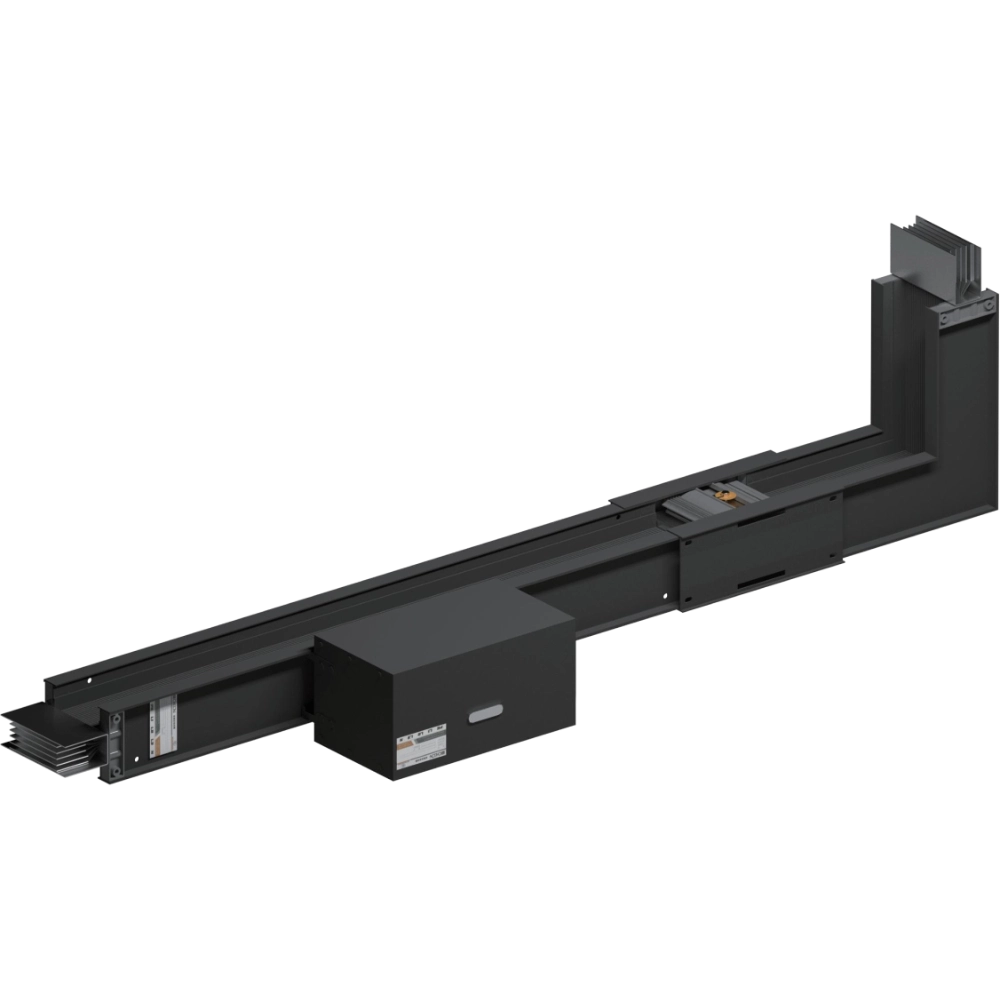
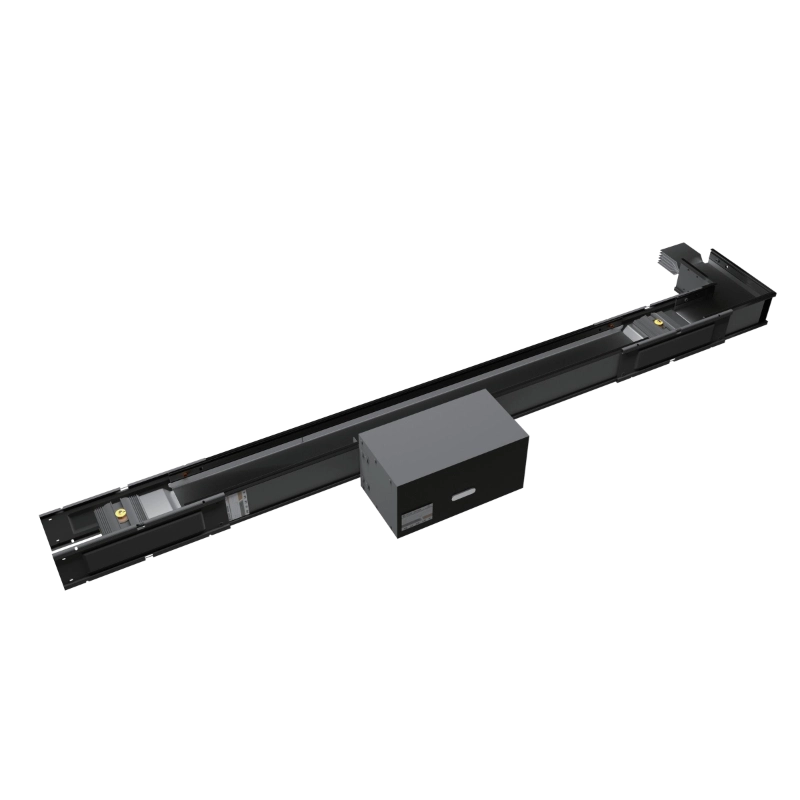
The CY-H series uses ventilation louvers on the sides and bottom to improve airflow and accelerate heat dissipation. These openings support thermal management as part of the overall busway design.
In practical installations, airflow around the enclosure also matters. Nearby walls, other equipment, cable routes, and confined spaces can affect the movement of air around the busway. Engineers should consider the installation layout and the manufacturer’s requirements rather than assuming that the product will dissipate heat equally well in every environment.
CY-H Series High-Voltage Sealed Busway: Key Specifications and Features
| Item | Product Details |
| Product name | CY-H Series High-Voltage Sealed Busway |
| Rated voltage | 3.15 kV, 6.3 kV, 10.5 kV, and 20 kV |
| Conductive material | 99.95% copper, as listed in the product overview |
| Insulation design | Dual-layer insulation |
| Cooling design | Ventilation louvers on the sides and bottom to improve airflow |
| Short-circuit performance | Designed to withstand short-circuit conditions and reduce eddy-current heating |
| Insulation materials | DuPont polyester film, Class B (130°C); reinforced terminal insulation, Class F (155°C) |
| Protection ratings | IP54, IP65, and IP66 listed on the product page; confirm the applicable rating for the selected configuration |
| Typical applications | High-voltage power transmission, industrial and mining power systems, and generator-to-step-up transformer connections |
The table summarizes the key features and specifications listed on the product page. Material heat-resistance classes do not represent the maximum permitted operating temperature of the complete busway. The applicable technical documentation should be consulted when evaluating a specific configuration.
3. Short-Circuit Conditions and Additional Heat
A short circuit can produce a much higher current than normal operation. This creates substantial thermal stress over a short period and may also generate strong electromagnetic forces on conductors and supporting components.
The CY-H series is designed with short-circuit withstand performance in mind. Its optimized structure is intended to reduce eddy-current heating in the enclosure, helping limit enclosure temperature and power loss under demanding electrical conditions.
This aspect of busway heat dissipation differs from ordinary heat removal during continuous operation. Normal load heating develops over time, whereas short-circuit heating can rise rapidly. Evaluation should therefore consider both continuous operating conditions and the busway’s specified short-circuit withstand rating. Specific withstand current and duration should be confirmed from the applicable product documentation.
4. Insulation Materials and Temperature Limits
Insulation helps maintain electrical separation between conductors and other components, but its thermal properties also influence the operating limits of a busway. Excessive temperatures can accelerate insulation ageing and reduce the margin between normal operating conditions and the material’s permitted temperature range.
The CY-H series uses dual insulation and halogen-free, flame-retardant materials. The product information identifies DuPont polyester film with Class B thermal endurance at 130°C and reinforced terminal insulation with Class F thermal endurance at 155°C.
These material classifications describe thermal endurance, not the permitted continuous operating temperature of the complete busway. The actual temperature limits must be determined from the manufacturer’s specifications and relevant test conditions. Effective heat dissipation helps the system operate within its design limits rather than relying on insulation materials alone.
5. Load Distribution and Ambient Temperature
The surrounding environment and the distribution of electrical loads can affect high-voltage busway temperature rise. A busway operating at a high load for extended periods will generally generate more heat than one carrying a lighter load. High ambient temperatures can also reduce the temperature difference available to transfer heat from the enclosure to the surrounding air.
Uneven loading, poor contact at a joint, or an installation that restricts ventilation may create local hot spots even when the overall system appears to be operating normally. For this reason, thermal performance should be assessed under representative load conditions, not only during initial commissioning or low-load operation.
Engineers should review expected current, ambient temperature, enclosure clearance, connection quality, and operating duty together. Where required, temperature measurements or infrared inspections performed by qualified personnel can help identify abnormal heating before it develops into a more serious problem.
6. How to Evaluate Busway Thermal Performance
When assessing a busway for a high-current project, engineers should look beyond the presence of ventilation openings or a sealed enclosure. Useful evaluation points include:
- Rated current and the intended continuous load.
- Conductor and enclosure design, including provisions for heat transfer.
- Temperature-rise test results under defined operating conditions.
- Insulation material ratings and applicable temperature limits.
- Short-circuit withstand capability and related test documentation.
- Installation clearances and the ambient conditions expected at the site.
These factors should be considered together. A busway with effective heat dissipation must still be correctly rated, properly installed, and operated within its specified limits.
Conclusion
Heat dissipation performance depends on several connected factors, including conductor resistance, operating current, enclosure airflow, short-circuit heating, insulation properties, and the surrounding environment. Reviewing these factors helps engineers understand the causes of temperature rise and assess whether a busway is suitable for its intended electrical load.
With ventilated louver cooling, dual insulation, and a design intended to limit eddy-current heating, the CY-H series provides a product-specific approach to thermal management in high-voltage power distribution. Cylon Group brings together electrical design, research and development, manufacturing, sales, and service. Its product documentation and technical support can help project teams evaluate busway configurations against their operating requirements.
