






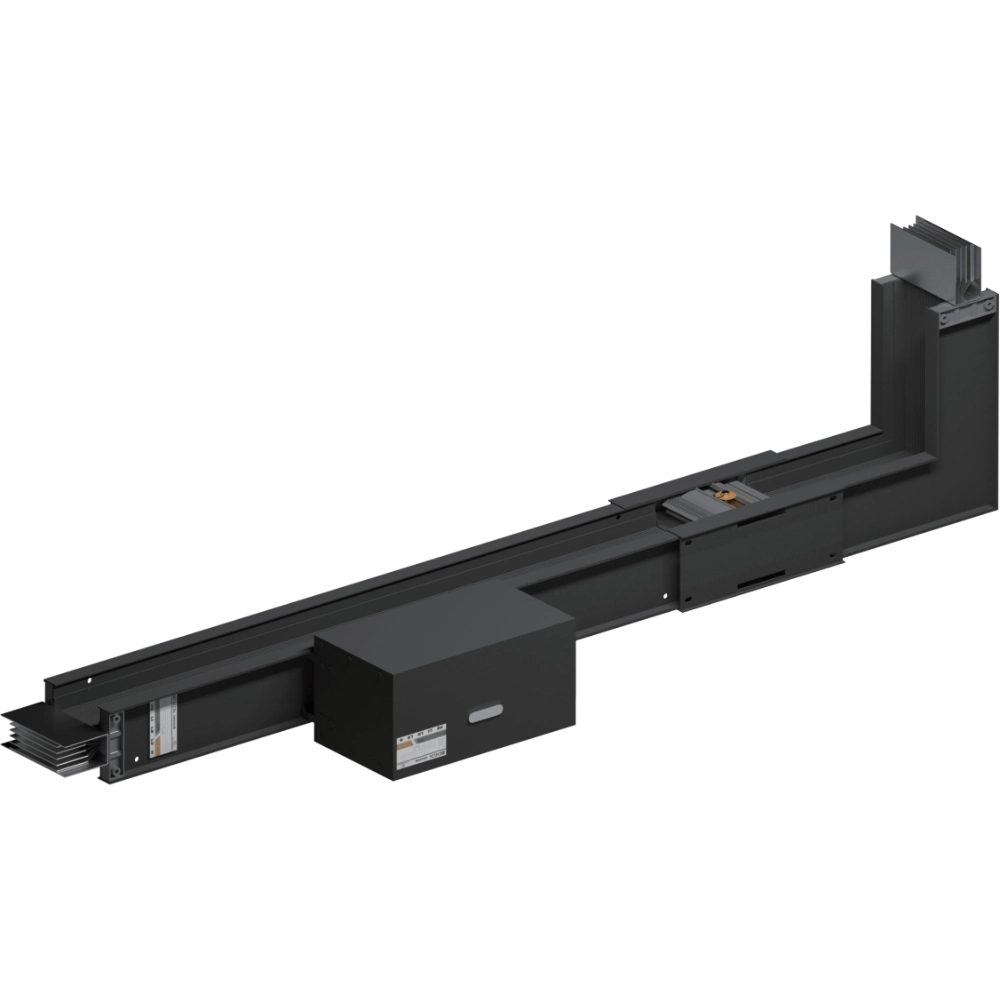
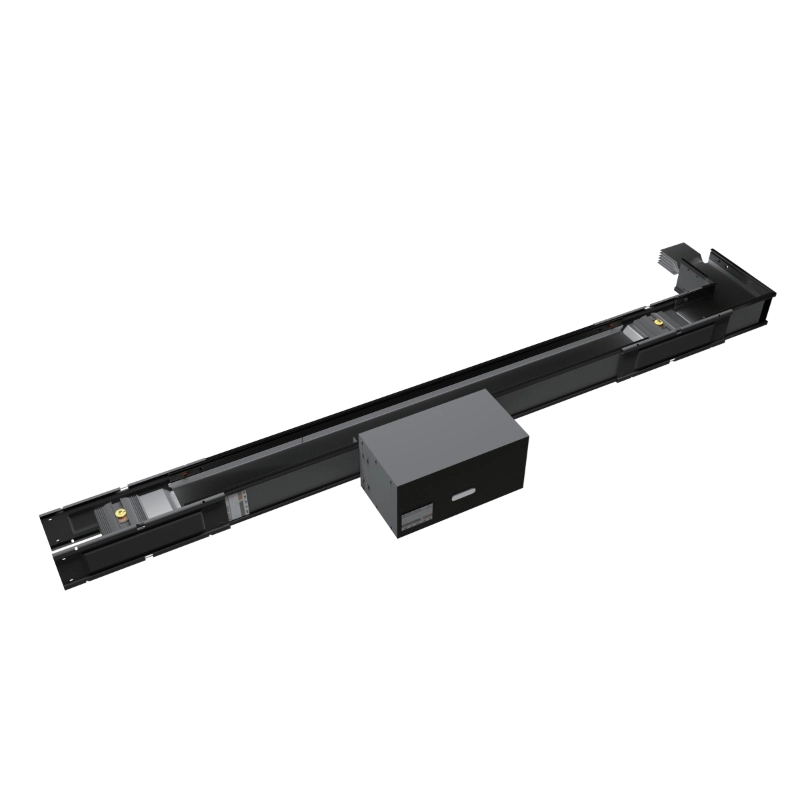


The standard life expectancy of a high-quality commercial or industrial busway system is typically 30 to 50 years. However, this operational lifespan can be maximized or significantly reduced based on three primary factors: the quality of the internal insulation materials, the severity of the operating environment, and adherence to routine preventative maintenance. When properly specified and operated within its thermal limits, a well-engineered busbar trunking system will often outlast the lifecycle of the building it serves.
Insulation Quality and Thermal Aging
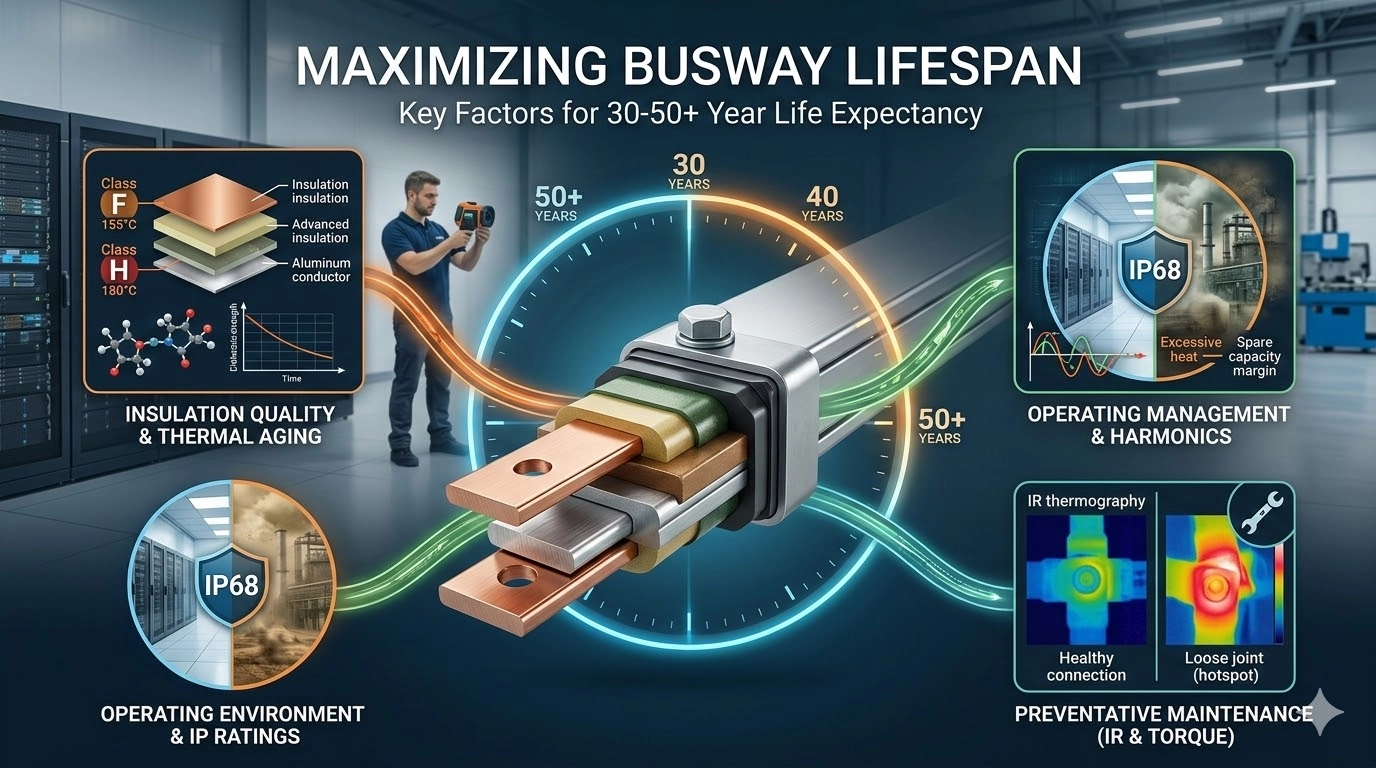
The true limiting factor for any electrical power distribution system is not the copper or aluminum conductors, but the insulation surrounding them. Continuous exposure to high operating temperatures causes thermal aging, which gradually degrades the dielectric strength of the insulation over decades. Premium busways utilize advanced insulation materials—such as Class B (130°C), Class F (155°C), or Class H (180°C) epoxy resin or Mylar—which are specifically engineered to resist thermal breakdown and significantly extend the system’s useful life.
Operating Environment and Ingress Protection (IP Ratings)
A busway’s longevity is heavily dictated by its environment. A standard indoor sandwich bus duct operating in a clean, climate-controlled data center can easily reach the 50-year mark. Conversely, if that same indoor-rated system is installed in a corrosive chemical plant or exposed to heavy dust and moisture without the proper IP rating, its lifespan will plummet. For harsh environments, upgrading to a cast-resin busway (IP68) ensures the conductors remain hermetically sealed, neutralizing environmental threats and preserving the long-term ROI.
Load Management and Harmonic Distortion
Chronic electrical overloading is the silent killer of busway systems. Pushing a busway past its rated ampacity causes excessive heat, leading to rapid expansion and contraction of the metal conductors (thermal cycling). Over time, this mechanical stress can loosen bolted joint connections and accelerate insulation failure. Furthermore, in facilities with heavy nonlinear loads (like VFDs or LED lighting networks), excessive harmonic currents can generate additional hidden heat. Properly calculating the initial load with a 20% spare capacity margin prevents these issues.
The Role of Preventative Maintenance
While modern solid-state busways are incredibly reliable, they are not entirely “install and forget.” To guarantee a 40+ year lifespan, facility managers must implement a routine preventative maintenance schedule. This includes performing annual infrared thermography inspections to detect early-stage thermal hotspots at joint connections and periodically verifying that all joint bolts remain tightened to the manufacturer’s specified torque. Catching a loose connection early prevents catastrophic failure and extends the overall health of the entire electrical trunking system.