










What Makes Cast-Resin Busway Suitable for Humid and Dusty Industrial Environments?
Release time: 2026-10-26
Table of Contents
Industrial power distribution systems often operate in environments where moisture, airborne dust, and mechanical stress can affect electrical equipment. Manufacturing plants, processing facilities, and infrastructure projects need reliable power distribution while keeping maintenance requirements manageable. In these conditions, the enclosure and insulation structure of a busway deserve careful attention.


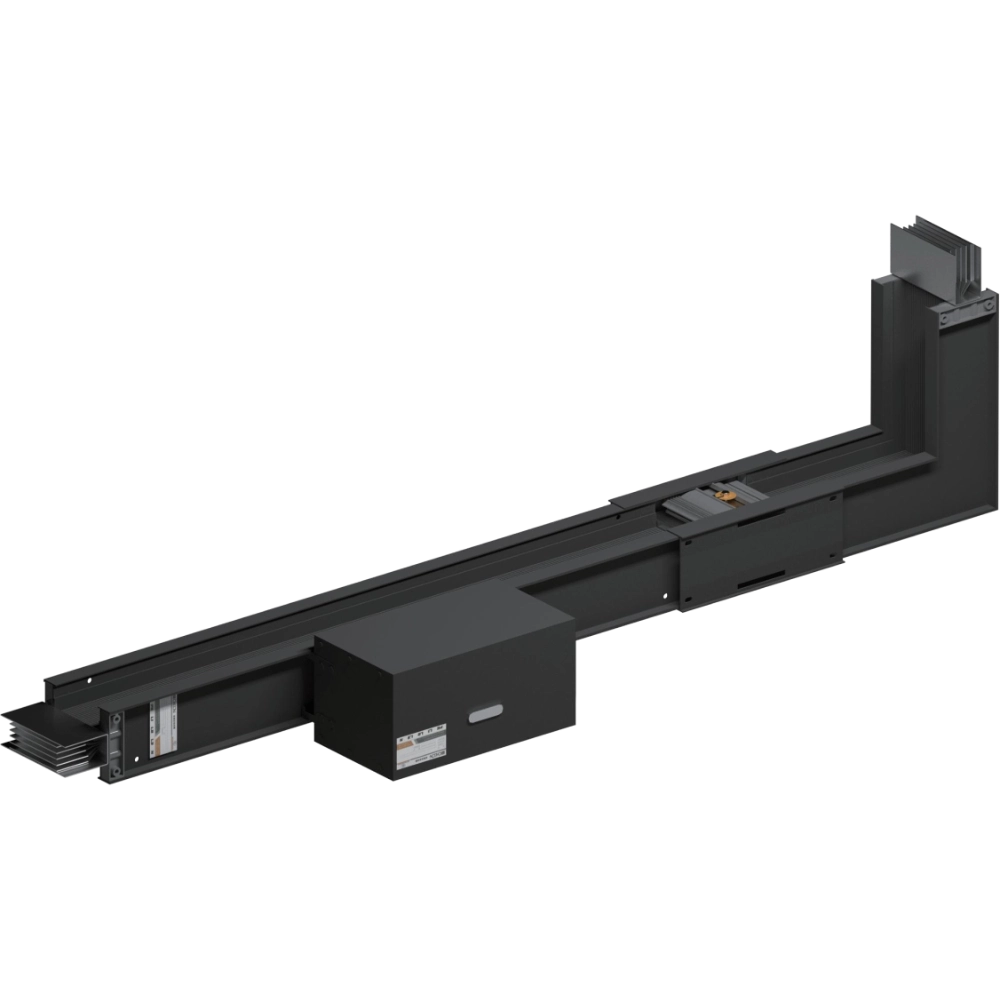
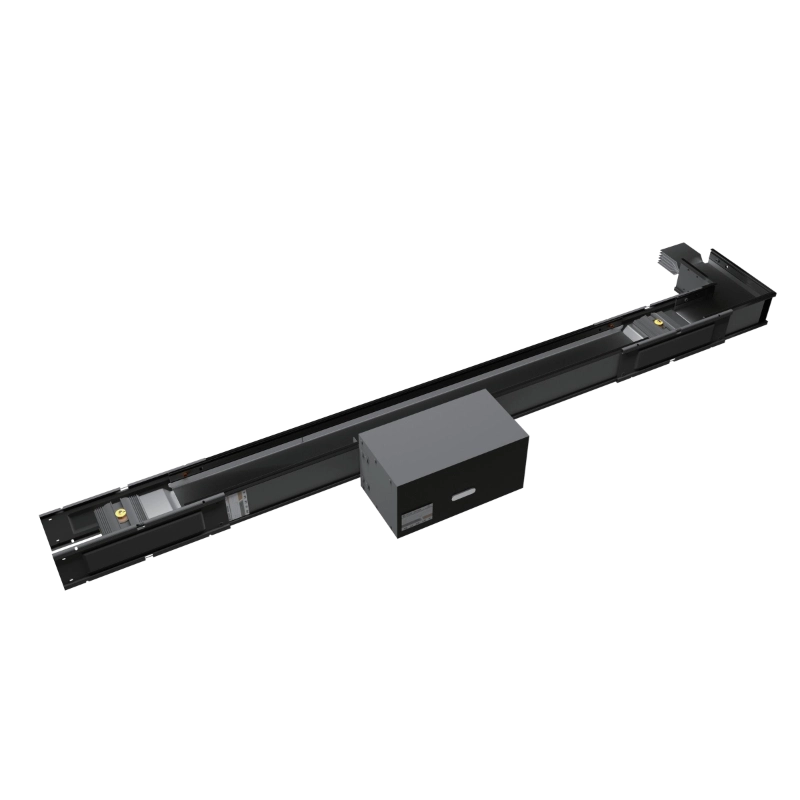
Cylon Group was founded in 1999 and specializes in electrical design, research and development, manufacturing, sales, and service. Its CY-C cast-resin busway uses an integrated epoxy resin casting process and a fully enclosed structure, offering a power distribution option for projects that require electrical insulation, mechanical protection, and reliable operation under demanding conditions.
Why Do Humidity and Dust Matter in Industrial Power Distribution?
Moisture and dust create different challenges for electrical equipment. High humidity may contribute to condensation when temperatures fluctuate, while dust can accumulate around connections and other exposed components. Depending on the materials involved and the surrounding conditions, these factors may increase insulation risks, affect heat dissipation, or make routine maintenance more difficult.
The actual risks depend on the type of dust, moisture levels, operating temperatures, and installation conditions. Fine industrial particles, for example, may behave differently from conductive metal dust or corrosive chemical deposits.
Selecting a suitable busway for harsh environments therefore requires more than checking the rated current. Engineers should also consider enclosure protection, insulation materials, thermal performance, connection design, and the specific conditions in which the equipment will operate.
How Does Cast-Resin Construction Improve Environmental Protection?
The CY-C series uses an integrated epoxy resin casting process to provide insulation and mechanical protection around conductive components. Its mineral synthetic resin housing and enclosed construction are important features when evaluating a cast resin busway for industrial environments where dust, moisture, and physical stress are concerns.
1. High Enclosure Protection
The CY-C product specification table lists an IP68 protection grade. This rating is relevant when evaluating equipment for environments where dust ingress and water exposure are important concerns.
However, the suitability of a complete installation also depends on the joints, connectors, and installation methods. Engineers should confirm the applicable protection rating for the selected configuration and ensure that it matches the actual operating conditions.
2. Strong Electrical Insulation
The cured epoxy resin provides high insulation strength, arc resistance, and tracking resistance. These properties help maintain electrical separation between conductive components and support reliable power distribution.
The published product specifications include a rated insulation voltage of 1,000 V and a rated operational voltage of 1,000 V. The dielectric test specification is 4 kV for five seconds, with no breakdown or flashover.
The specification table also lists an insulation resistance of at least 20 MΩ, providing an additional reference for evaluating electrical insulation performance.
These characteristics are particularly relevant in industrial facilities where electrical equipment must operate reliably over extended periods. Nevertheless, actual performance depends on correct installation, suitable operating conditions, and compliance with applicable electrical standards.
3. Mechanical Strength and Material Stability
The product page describes the cured epoxy resin as resistant to wear, impact, and deformation. Its dimensional stability helps maintain the structural integrity of the busway during service.
The specification table lists the conductive material as Cu + Ag ≥ 99.97%, indicating the specified copper-and-silver content. This provides a concrete material reference for engineers evaluating the product.
The combination of solid insulation and a robust enclosure helps protect internal components from external influences. Even so, appropriate supports, installation clearances, and protection against direct impact remain necessary, particularly in busy industrial facilities.
How Does Thermal Performance Support Reliable Operation?
Heat management is another important consideration in industrial power distribution. Electrical conductors generate heat under load, and excessive temperature rise can affect the operating conditions of electrical components over time. A suitable busway must therefore provide adequate thermal performance for its intended current capacity and installation environment.
The CY-C series uses a structural design intended to improve heat dissipation and reduce thermal buildup under high-current loads. Its published rated current options range from 400 A to 4,000 A, covering different power distribution requirements.
The product specification table lists the following temperature-rise limits:
- Conductive connection points: no more than 70 K.
- Outermost shell: no more than 55 K.
These figures provide reference limits for evaluating the product’s thermal performance under the applicable test conditions.
When selecting a cast resin busway, engineers should consider the expected load, ambient temperature, installation arrangement, and required current capacity. A suitable rating should be determined from the project’s electrical requirements rather than current capacity alone.
For effective cast resin busway protection, enclosure performance and thermal management should be evaluated together. The system must provide the required environmental protection while maintaining acceptable operating temperatures. Proper connection quality, installation clearances, and compliance with manufacturer instructions are also important to achieving the intended performance.
Where Can Cast-Resin Busway Be Used?
The suitability of cast-resin busway depends on the environmental conditions and electrical requirements of each project. Several industrial and commercial applications may benefit from its enclosed insulation structure and mechanical protection.
Industrial Manufacturing Plants
Manufacturing plants often contain production machinery, distribution equipment, and multiple electrical loads operating throughout the day. Dust-producing processes and demanding operating schedules make insulation protection and maintenance access important design considerations.
A cast-resin busway may be suitable when its rated current, enclosure protection, and installation conditions meet the plant’s requirements. The actual specification should reflect the type of dust present and the likelihood of moisture exposure.
Processing and Utility Areas
Some processing facilities experience elevated humidity, airborne particles, or periodic cleaning activities. In these environments, engineers should determine whether the equipment may encounter condensation, direct water exposure, chemical contamination, or other specific hazards.
The selected busway configuration should be verified against those conditions before installation. Enclosure protection ratings and material compatibility should be checked against the actual environment rather than assumed from the product category alone.
Commercial Buildings and Infrastructure
Large commercial buildings and infrastructure facilities may require reliable power distribution across multiple areas or floors. A properly selected cast-resin system can provide an enclosed distribution route where its electrical ratings and environmental protection are appropriate for the project.
These cast resin busway applications should be assessed individually. Equipment suitable for an indoor industrial environment may not automatically be appropriate for outdoor exposure or aggressive chemical conditions. Engineers should verify the product’s specifications and installation requirements before making a final selection.
What Should Engineers Check Before Installation?
Even a well-designed busway requires correct installation and appropriate inspection. Before specifying a system for a humid or dusty facility, project engineers should review the following points:
Environmental exposure: Identify humidity levels, condensation risks, dust characteristics, cleaning methods, and possible chemical contamination.
Protection rating: Confirm the required IP rating for the complete installed assembly, including joints and connection points.
- Electrical capacity: Match the rated current, voltage, short-circuit withstand capability, and conductor arrangement to the project requirements.
- Thermal conditions: Evaluate ambient temperature, load patterns, and installation clearances to ensure adequate heat dissipation.
- Connection integrity: Check that joints, connectors, and other connection components are installed according to the manufacturer’s instructions.
- Inspection and maintenance: Establish a maintenance plan that considers the site’s environmental conditions and the manufacturer’s recommendations.
These checks help ensure that the busway is selected for the actual operating environment rather than relying on general product descriptions alone.
Frequently Asked Questions
1. Why is cast-resin busway suitable for humid and dusty environments?
Cast-resin busway uses solid resin insulation and an enclosed structure to protect conductive components. Its suitability depends on the specified enclosure protection rating, installation configuration, and the actual level of moisture and dust exposure.
2. What is the rated current range of the CY-C cast-resin busway?
The published specifications list rated current options from 400 A to 4,000 A. The appropriate rating depends on the project’s load requirements, operating conditions, and electrical design.
3. What insulation and dielectric test specifications does the CY-C series have?
The product specification table lists rated insulation and operational voltages of 1,000 V, an insulation resistance of at least 20 MΩ, and a dielectric test specification of 4 kV for five seconds without breakdown or flashover.
4. Can cast-resin busway be used in areas exposed to water?
The specification table lists an IP68 protection grade for the CY-C series. However, engineers should confirm the applicable rating for the exact product configuration and installation, especially where water exposure is expected. Joints, connectors, and installation details must also be considered.
5. What factors should be considered when selecting cast-resin busway?
Key factors include rated current, operating voltage, short-circuit withstand capability, enclosure protection, temperature rise, installation conditions, and maintenance requirements. Engineers should compare these specifications with the site’s environmental conditions and electrical demands before selecting a system.
Conclusion
Humid and dusty industrial environments place additional demands on electrical insulation, enclosure protection, mechanical strength, and thermal management. A cast-resin busway can be a suitable solution when its construction, electrical ratings, and verified protection level match the conditions of the installation.
The CY-C series combines epoxy resin insulation, an enclosed structure, rated current options from 400 A to 4,000 A, and published electrical and thermal performance specifications. These features provide useful reference points for engineers evaluating power distribution systems for industrial and commercial projects.
With experience in electrical design, research and development, manufacturing, and technical service, Cylon Group supports projects requiring power distribution solutions tailored to their operating conditions. Before finalizing a specification, engineers should confirm the required protection rating, installation conditions, and electrical parameters with the manufacturer to ensure that the selected system meets the project’s needs.

