






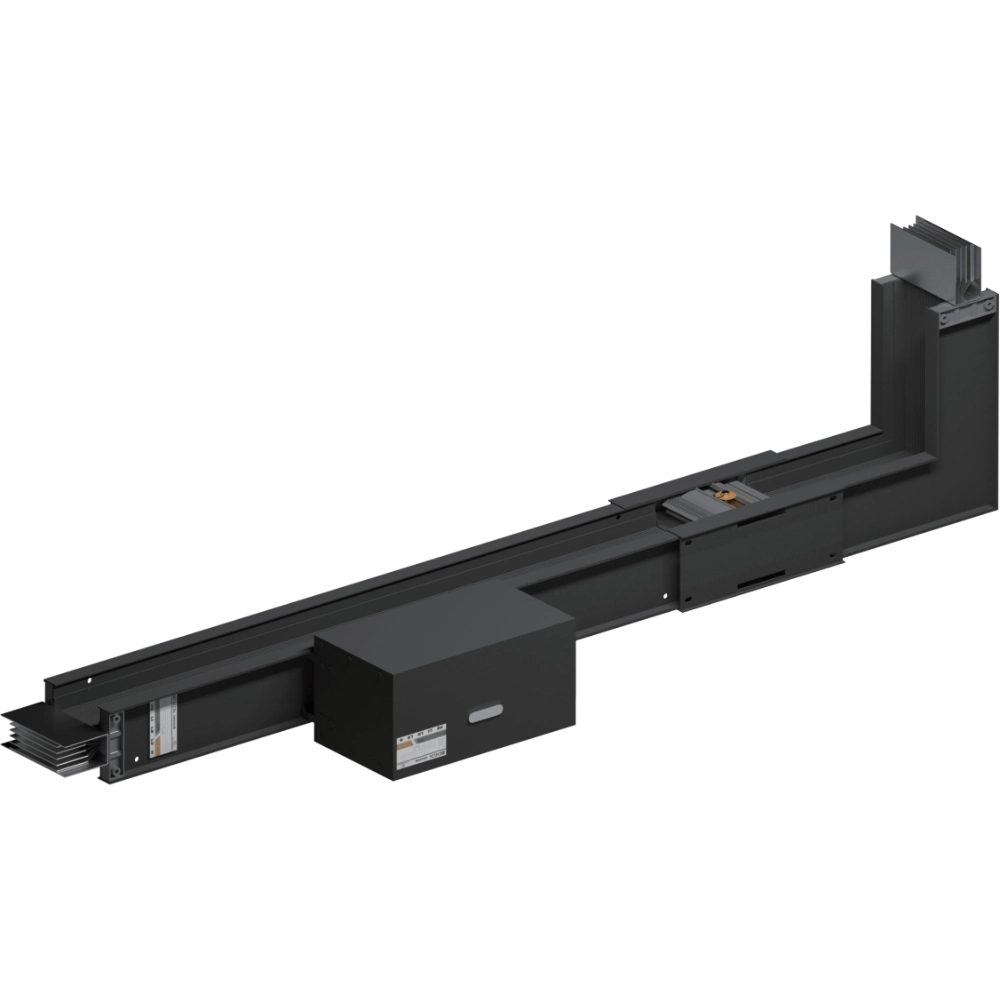
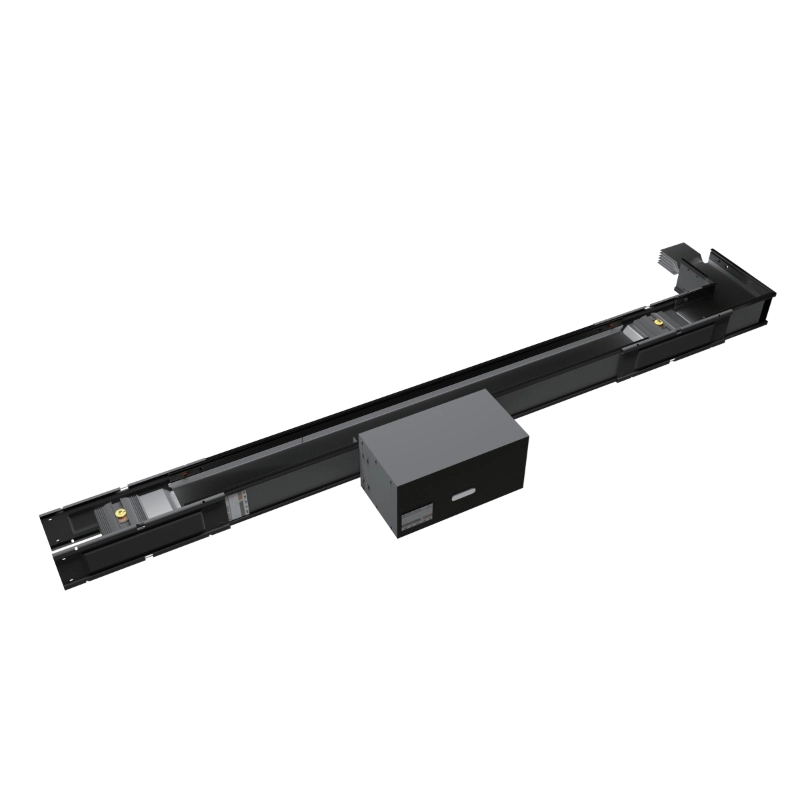


Both copper and aluminum are highly effective conductor materials. Copper is ideal for high-current, space-constrained, or heavy-duty environments due to its superior electrical conductivity and mechanical strength. Aluminum is the go-to choice for cost-effective, lightweight, and large-scale installations. However, for outdoor applications, the enclosure's weatherproofing rating (such as an IP68 cast-resin design) is ultimately more critical than the internal conductor metal itself.
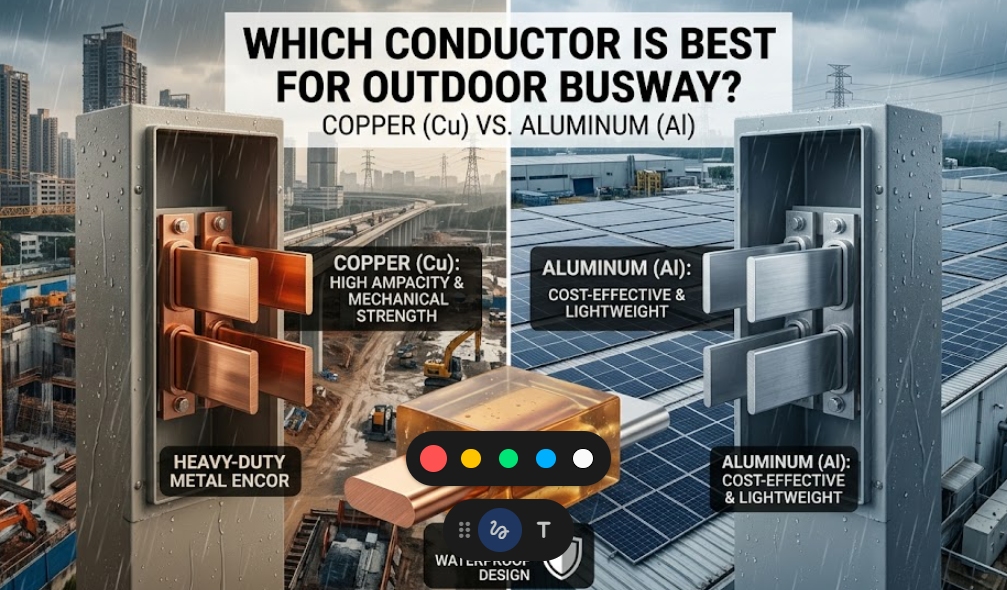
Choosing the optimal conductor metal is a critical engineering decision based on your project’s specific ampacity requirements, CAPEX budget, and environmental constraints. Here is a detailed comparative analysis to guide your specification:
1. Copper Busbar Systems: High-Ampacity Distribution & Compact Footprint Copper (Cu) offers superior electrical conductivity, lower electrical resistance, and excellent thermal stability under heavy loads. It can safely transmit a significantly higher electrical current within a smaller cross-sectional area compared to aluminum.
- Ideal Applications: Industrial facilities with strict spatial limitations, heavy-duty applications requiring high short-circuit withstand ratings (e.g., welding lines), and long-distance power routing where minimizing voltage drop is a top priority.
2. Aluminum Bus Duct Solutions: Lightweight Construction & Natural Corrosion Resistance Aluminum (Al) is significantly lighter and highly cost-effective, dramatically reducing both initial material expenditures and on-site installation labor costs. Furthermore, aluminum forms a natural oxide layer upon exposure to air, providing inherent resistance to atmospheric corrosion.
- Ideal Applications: Large-scale manufacturing plants, rooftop solar PV (photovoltaic) installations where structural roof load-bearing limits are a major concern, and budget-conscious infrastructure projects with ample physical space.
Conclusion: The Outdoor Verdict Ultimately, if your outdoor power distribution project demands maximum power density in a tight space, copper is the superior choice. If budget and weight are the primary constraints across a large facility, aluminum is highly capable. However, the true key to outdoor longevity is not just the metal but how well it is protected from the elements.