






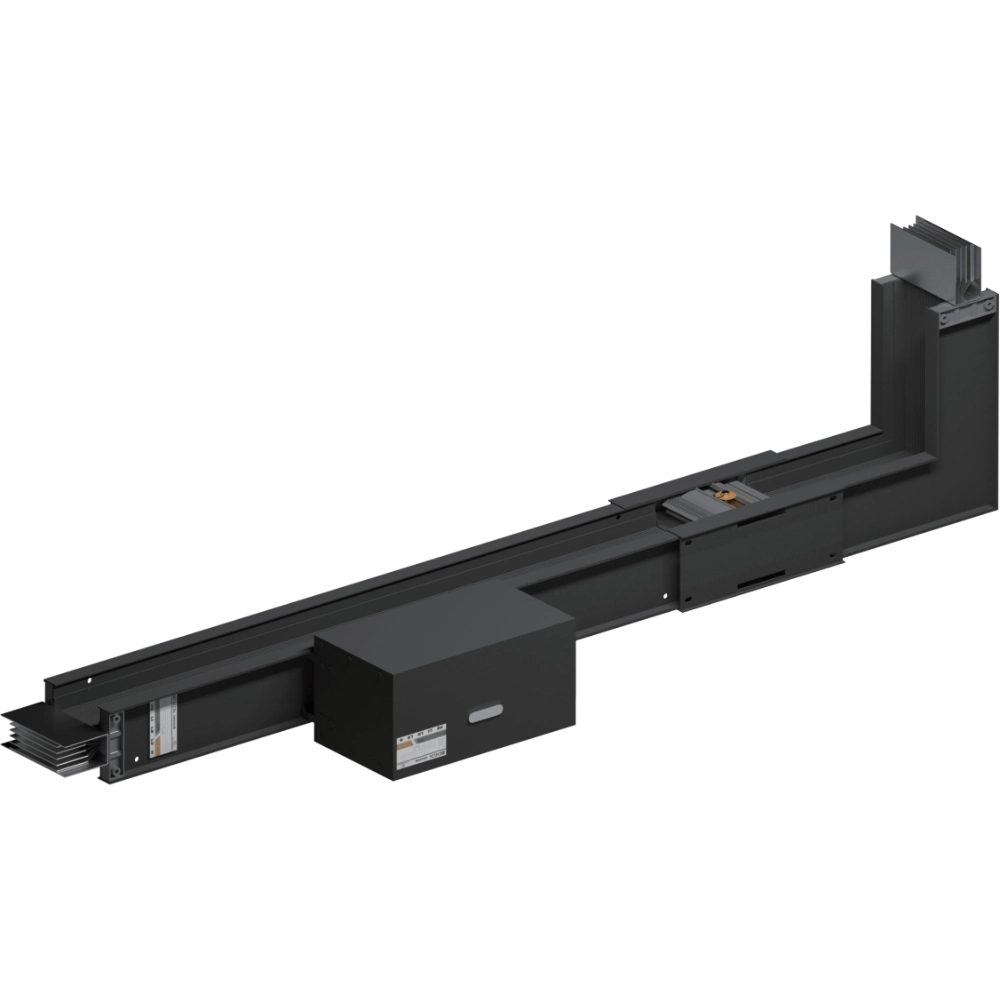
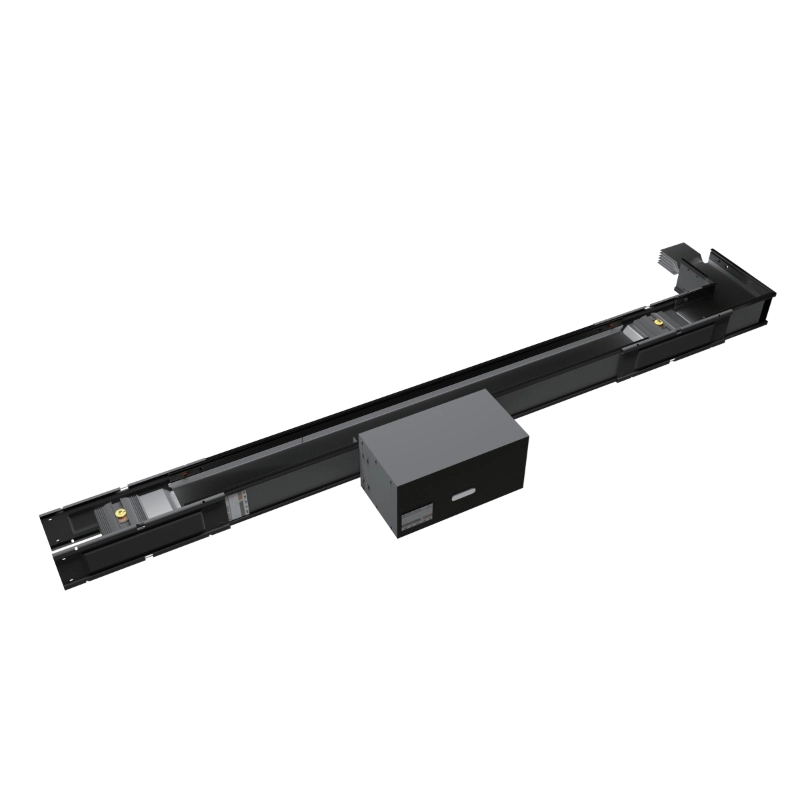


Copper busbars are tinned or silver-plated primarily to prevent surface oxidation, reduce contact resistance at joint connections, and extend the overall lifespan of the electrical distribution system. While bare, high-purity copper is an excellent conductor, it oxidizes quickly when exposed to air. Plating creates a protective barrier that prevents insulating oxide layers from forming, ensuring long-term, highly efficient, and safe power transmission.
Surface Oxidation Prevention and Corrosion Resistance
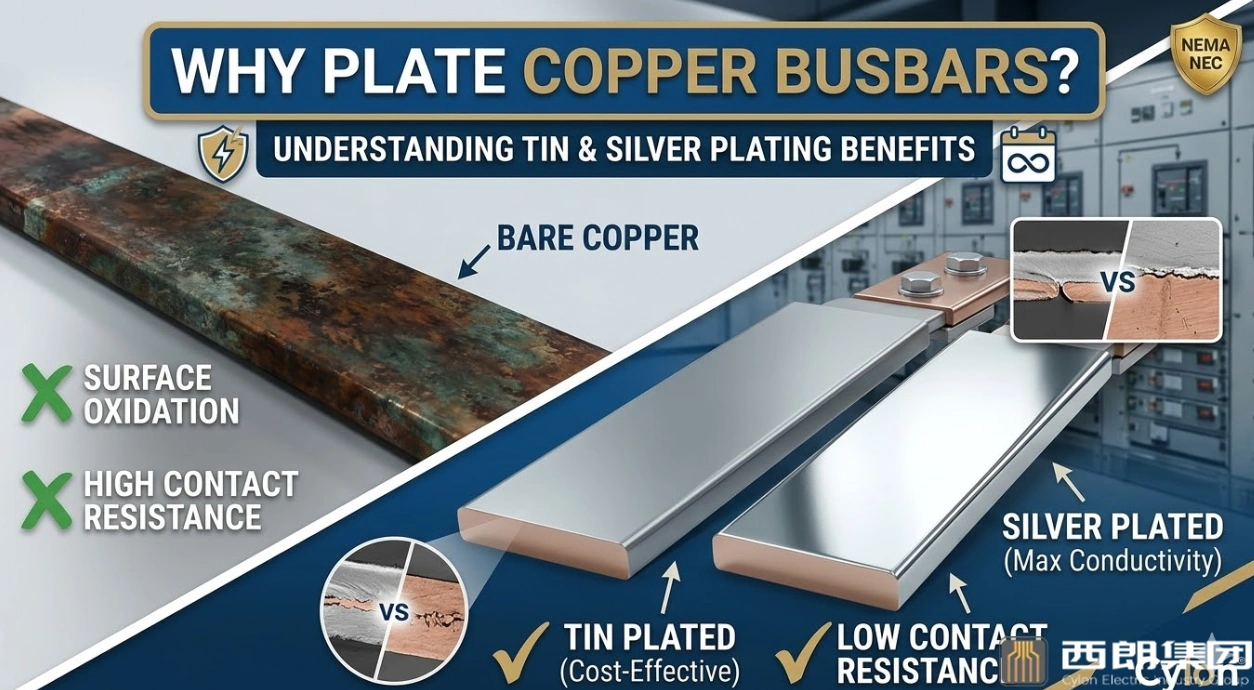
When bare copper is exposed to oxygen and humidity, it naturally develops a layer of copper oxide (the dark or greenish tarnish you often see on old copper). Unfortunately, copper oxide is a poor conductor of electricity and acts as a thermal insulator. By applying a robust tin or silver coating, the copper core is sealed off from environmental elements. This surface treatment is especially critical in harsh industrial environments, coastal facilities, or chemical plants where airborne corrosive agents can rapidly degrade bare metal.
Minimizing Contact Resistance at Joint Connections
In any busbar trunking system or switchgear assembly, the most vulnerable points are the electrical joints where two busbars bolt together. If these mating surfaces are bare copper, the microscopic oxide layers create high contact resistance. This resistance generates excess heat under high electrical loads. Silver is actually a better electrical conductor than copper, and tin is highly malleable; both materials help fill in microscopic surface imperfections at the bolted joint, drastically lowering contact resistance and preventing dangerous thermal hotspots.
Enhancing Thermal Performance and Meeting IEC Standards
International electrical standards, such as IEC 61439, strictly regulate the maximum allowable temperature rise in switchgear and power distribution systems. Interestingly, these standards often allow bolted connections with tinned or silver-plated surfaces to operate at higher temperature limits compared to bare copper joints. Because the plating prevents the exponential degradation caused by thermal cycling and oxidation, plated busbars can safely carry higher continuous currents without compromising the system’s thermal performance or safety.
Tin Plating vs. Silver Plating: Which is the Better Choice?
Both plating methods achieve the goal of protecting the copper, but they serve slightly different engineering requirements. Tin plating is highly cost-effective, extremely durable, and serves as the industry standard for most commercial and industrial busway applications. Silver plating, on the other hand, offers the absolute lowest electrical resistance and superior conductivity. It is typically reserved for highly critical, extremely high-amperage environments (such as high-voltage generator outputs or sensitive data center main feeds) where minimizing even a fraction of a millivolt of voltage drop is critical.